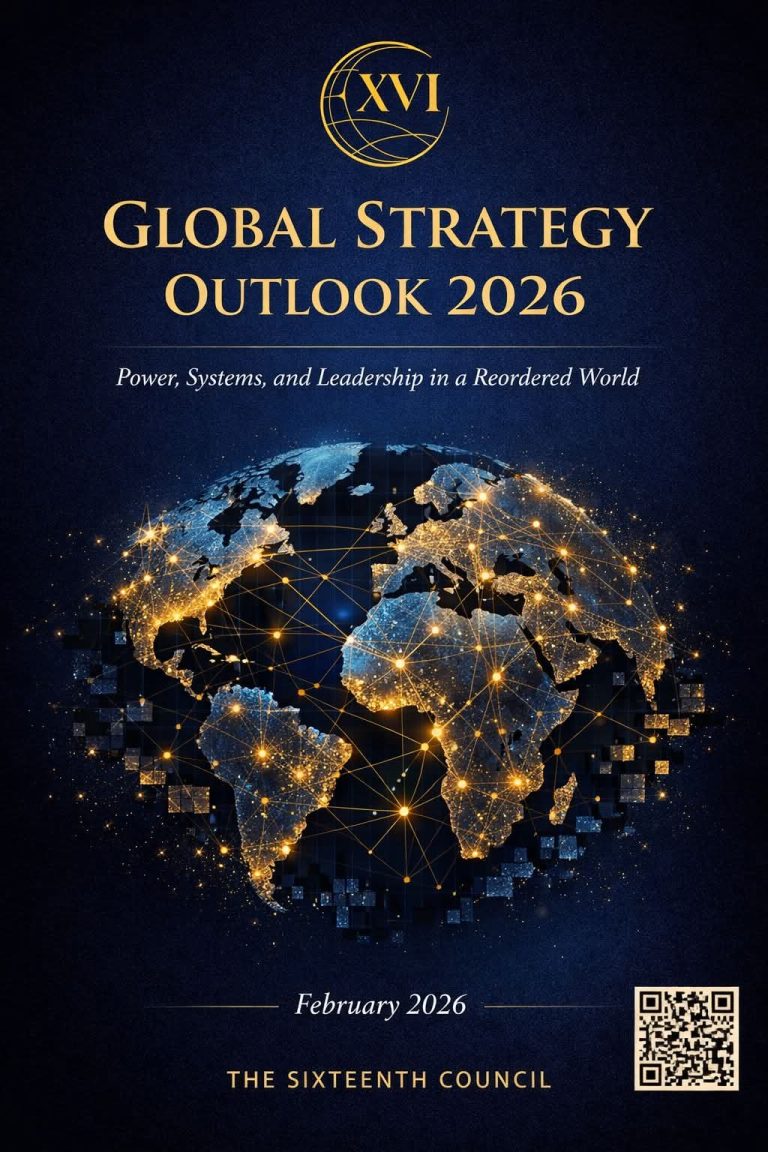
Global Strategy Outlook 2026

The year 2026 marks the beginning of a new global cycle shaped by geopolitical fragmentation, technological disruption, economic divergence, and declining institutional trust. After more than a decade of crisis management, the central challenge for leaders is shifting from responding to shocks to redesigning systems capable of operating in persistent volatility. Global Strategy Outlook 2026 outlines the major forces reshaping the world and presents a ten-point leadership agenda to help nations strengthen resilience, competitiveness, and strategic influence between 2026 and 2030.
Read MoreGlobal Strategy Outlook 2026

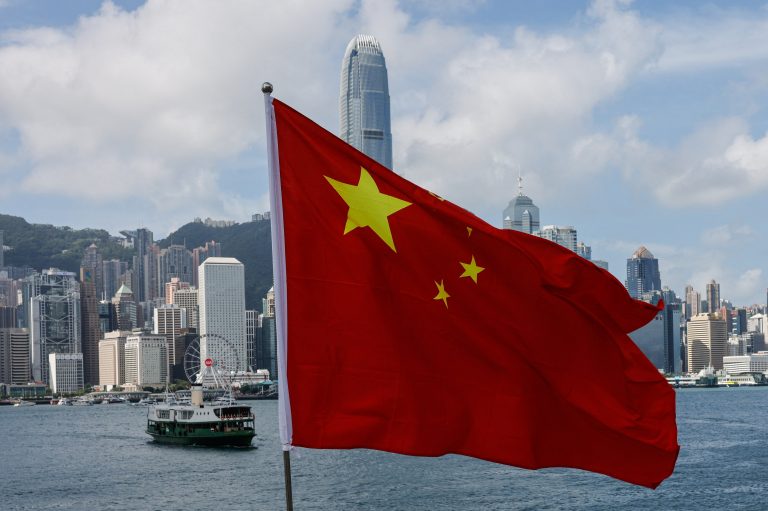
China’s Domination in Green Technology

China has emerged as the dominant force in global green technology, investing $625 billion in clean energy in 2024 and producing the vast majority of the world’s solar modules and wind turbines. With companies like BYD leading the electric vehicle market, the sector now drives over 11% of China’s GDP. Despite this progress, heavy coal reliance sustains high emissions. China’s scale and affordability in clean tech are reshaping global energy systems and accelerating electrification, particularly across emerging economies.

Read MoreChina’s Domination in Green Technology

Critical Minerals and the Green Transition: Europe’s New Dependency Risk

The European Green Deal is one of the most ambitious climate and industrial strategies toward a decarbonized energy system, industrial leadership, and climate resilience. However, while Europe seeks energy independence from fossil fuels, it faces an important vulnerability: dependence on critical minerals. Lithium, cobalt, nickel, rare earth elements, and graphite are indispensable for electric vehicles, renewable infrastructure, and advanced technologies — but their supply is heavily concentrated in a few countries, creating potential strategic bottlenecks.

Read MoreCritical Minerals and the Green Transition: Europe’s New Dependency Risk

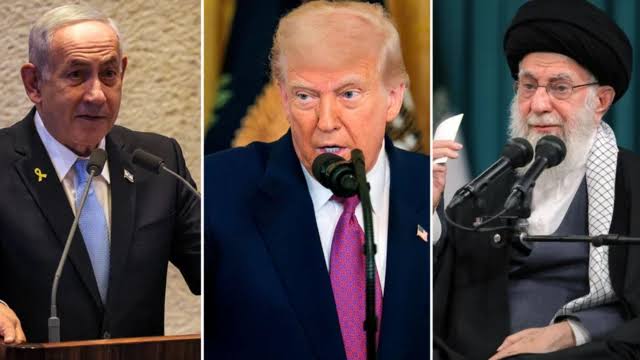
The Iran Strike: Regional Conflagration and Global Strategic Implications

The U.S.–Israel strikes on Iran represent now a decisive shift in regional security dynamics. By targeting strategic military infrastructure, the attacks have elevated the Gulf from a zone of tension to an active theatre of risk. Iran’s capacity for asymmetric retaliation through maritime disruption and proxy escalation remains intact. Energy markets, trade corridors, and alliance structures now face renewed volatility, while major powers recalibrate shifting positions in anticipation of a prolonged period of instability and competitive deterrence ahead globally today.

Read MoreThe Iran Strike: Regional Conflagration and Global Strategic Implications