A brief analysis of Labour’s first year in government – A story of economic struggle and foreign policy success

Labour’s first year in government has been defined by economic strain at home and diplomatic gains abroad. While foreign policy successes with the US and EU have strengthened the UK’s global standing, domestic frustrations dominate public sentiment. Rising unemployment, stubborn inflation, and controversial social policies have eroded trust, leaving Labour squeezed between Reform on

Read MoreA brief analysis of Labour’s first year in government – A story of economic struggle and foreign policy success

South Africa, the G20, and the Limits of Host-Nation Power: A Geopolitical Analysis

South Africa’s G20 membership is not America’s to revoke, but Trump’s attempt to bar Pretoria from the summit exposes a deeper crisis in global governance. It signals a sharp downturn in U.S.–South Africa relations, threatens the credibility of the G20, and risks pushing emerging economies closer together against unilateralism. By standing firm, South Africa defends not only its place at the table but the principle that multilateral forums cannot be controlled by any single host.

Read MoreSouth Africa, the G20, and the Limits of Host-Nation Power: A Geopolitical Analysis

Economic Policy Variation in Latin America

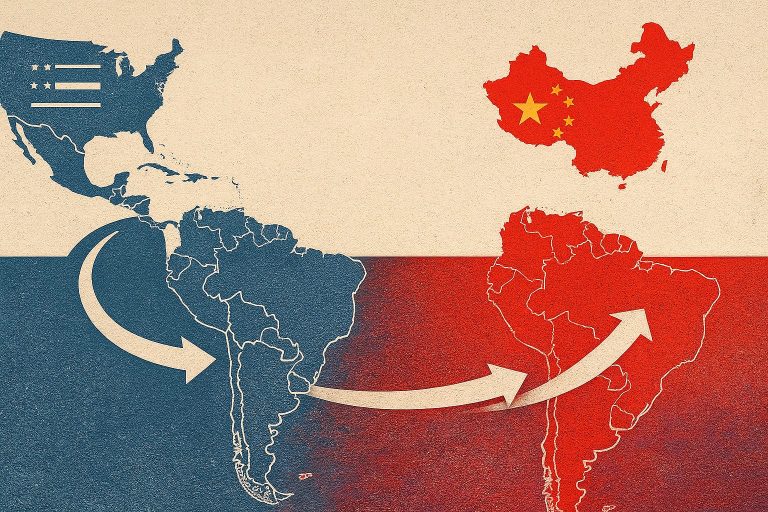
Latin America’s economic landscape is shifting as countries balance slow growth with rising geopolitical pressures. Diversified trade—especially deeper ties with China—and selective nearshoring are reshaping regional dynamics. While open-market economies like Chile and Colombia expand global access, protectionist players such as Brazil and Argentina prioritise shielding domestic industries. Despite strong potential, the region faces fiscal strain, low productivity, and infrastructure deficits. Long-term growth hinges on structural reforms and fiscal consolidation to strengthen resilience in a volatile global market.

Read MoreEconomic Policy Variation in Latin America