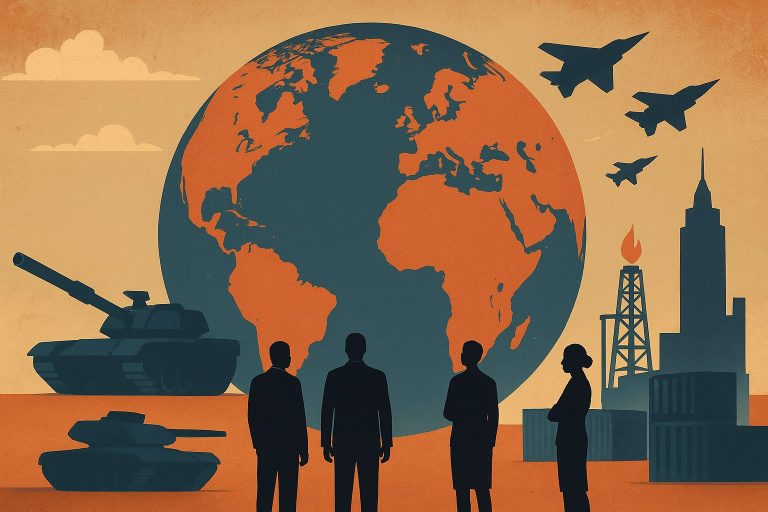
Navigating the Reconfiguration of the Global Order

The global order is undergoing its deepest reconfiguration since the Cold War. Power is diffusing beyond the U.S.–China axis to assertive regional powers, non-state actors, and transnational corporations. Conflicts, supply-chain shocks, and climate pressures are exposing the fragility of old institutions. De-risking strategies, digital competition, and the energy transition are redrawing economic and security maps in real time. Resilience, adaptability, and pragmatic cooperation—not outdated assumptions—will determine which nations and institutions thrive in this fluid, contested system.
Read MoreNavigating the Reconfiguration of the Global Order

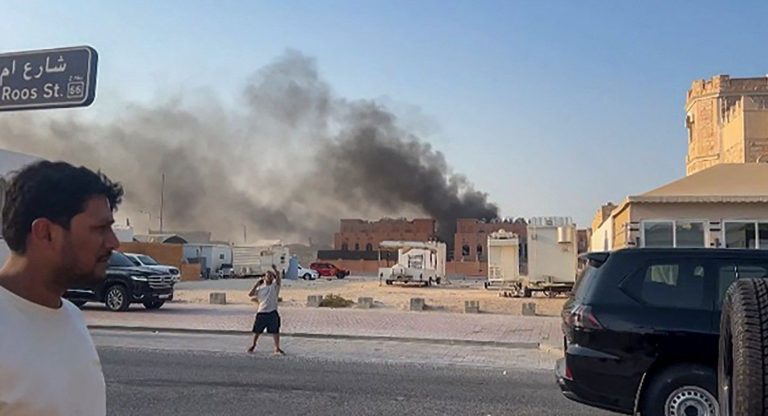
Israel Attacks Qatar: Implications for US-Gulf Relations:

Israel’s airstrike on Hamas leaders in Doha has shaken US–Gulf relations, undermining Washington’s reputation as a reliable security guarantor. Gulf states now view the US as prioritizing Israel over their sovereignty, prompting calls for greater self-sufficiency and alternative security arrangements. Qatar’s suspension of mediation efforts and backlash against the Abraham Accords signal potential diplomatic fallout. Unless Washington reins in Israeli overreach, it risks losing influence, weakening regional partnerships, and ceding ground to rival powers such as China or Russia.

Read MoreIsrael Attacks Qatar: Implications for US-Gulf Relations: