Niamh Allen

Niamh Allen

Escalation of Far-right Politics in Europe
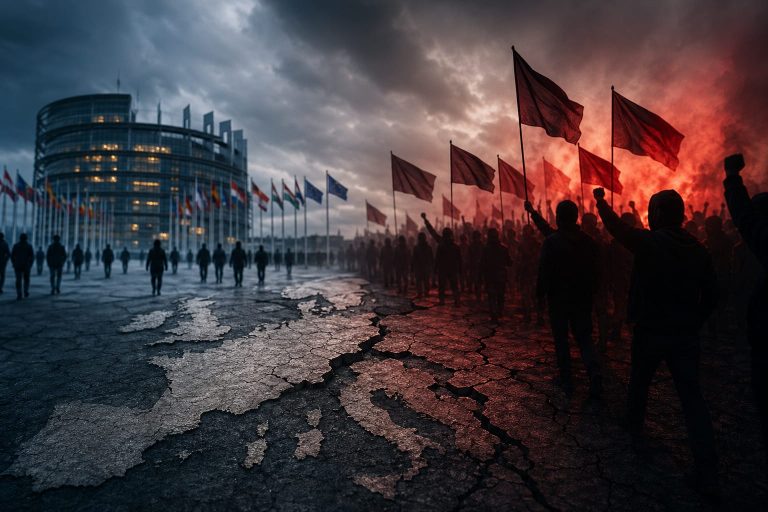
Europe has seen a marked rise in far-right politics, driven by economic strain, migration pressures, and public dissatisfaction with mainstream governance. Nationalist and populist rhetoric has increasingly entered political discourse, influencing policy and public attitudes. This shift raises concerns for minority rights, democratic institutions, and the rule of law. Addressing these trends requires stronger democratic safeguards, enforcement of shared values, and efforts to counter disinformation while rebuilding public trust in governance.
Impact of the 2026 Iran Conflict on Global Oil Markets

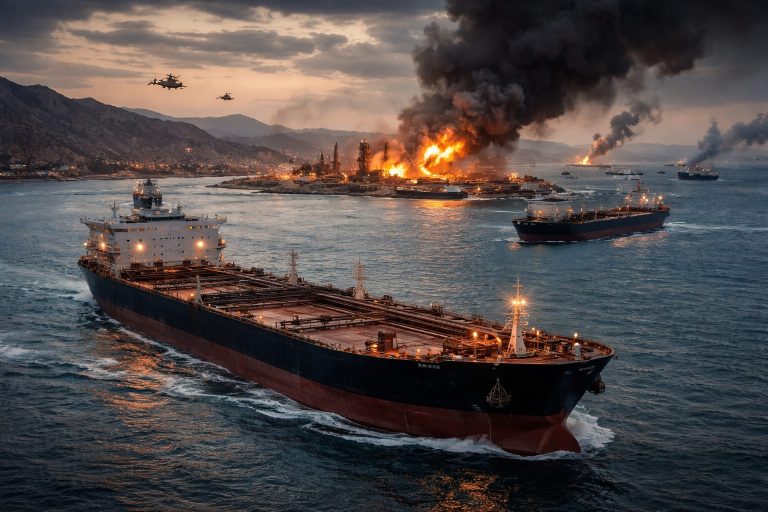
The 2026 Iran conflict has triggered severe volatility in global oil markets, driven largely by the closure of the Strait of Hormuz, a key artery for nearly 20% of global oil supply. Prices have surged above $100 per barrel, disrupting trade, transportation, and economic stability worldwide. Import-dependent regions, particularly in Asia and Europe, face acute shortages, while emergency reserves and energy transitions offer only partial relief amid ongoing geopolitical uncertainty.

China’s Domination in Green Technology

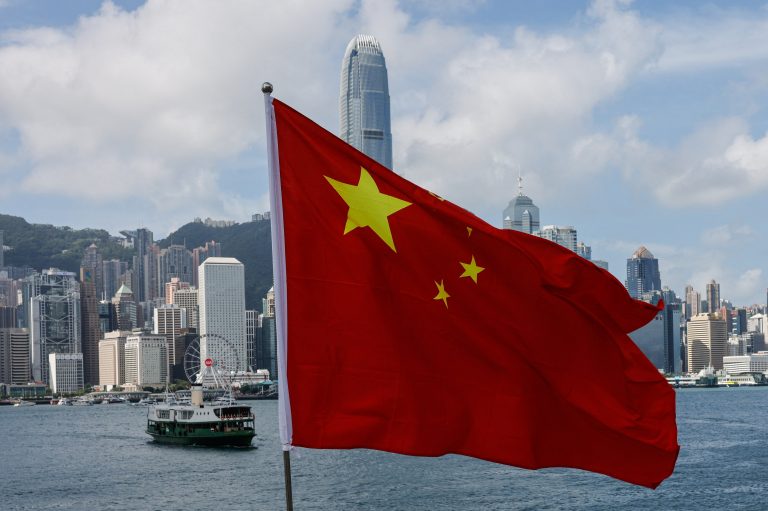
China has emerged as the dominant force in global green technology, investing $625 billion in clean energy in 2024 and producing the vast majority of the world’s solar modules and wind turbines. With companies like BYD leading the electric vehicle market, the sector now drives over 11% of China’s GDP. Despite this progress, heavy coal reliance sustains high emissions. China’s scale and affordability in clean tech are reshaping global energy systems and accelerating electrification, particularly across emerging economies.

Negotiations and Tariff Threat of Ongoing US-Europe Territory Dispute

The US-Europe dispute over Greenland reflects a new era of geopolitically driven trade policy. President Trump’s threats of escalating tariffs aim to force European acquiescence, prompting discussions on Europe’s anti-coercion measures. NATO deployments to Greenland, debates over US missile defence, and concerns from Russia and China underscore the stakes. Failure to reach agreement risks severe economic disruption for Europe, particularly Germany, while US-EU trade faces uncertainty. The crisis signals that tariffs are increasingly a tool of strategic coercion rather than revenue generation.

The Fragmentation of Western Politics 

Western politics is fragmenting as unilateral power eclipses post-WWII cooperation. Assertive US interventions, from Venezuela to Greenland, expose weak international enforcement and embolden rival powers. Europe faces alliance uncertainty, rising nationalism, and economic coercion while NATO’s credibility strains. The precedent of unchecked interference risks normalising ‘might makes right,’ encouraging China and Russia to test boundaries. Without renewed collective security and democratic oversight, Western cohesion erodes, reshaping global stability and accelerating a volatile, multipolar order under growing strategic mistrust worldwide today.

Electoral Uncertainty in Latin America

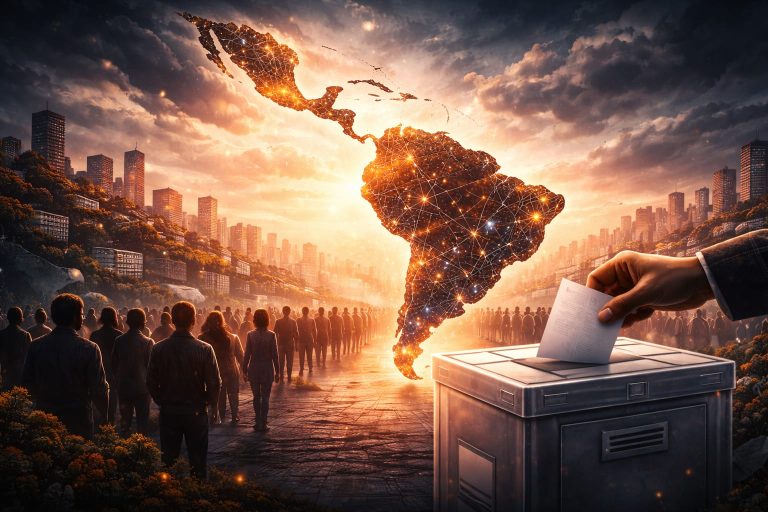
Latin America is entering a period of heightened electoral uncertainty as a dense cycle of elections from late 2025 to 2026 reshapes the region’s political trajectory. Voter fatigue, economic pressures, and dissatisfaction with inequality are fuelling a potential shift away from left-leaning governments toward more centrist or market-oriented leadership. While this transition may unlock reform and investment opportunities, it also heightens risks of policy volatility, social unrest, and intensified geopolitical competition between global powers.

Political shifts in South Africa following introduction of coalition government

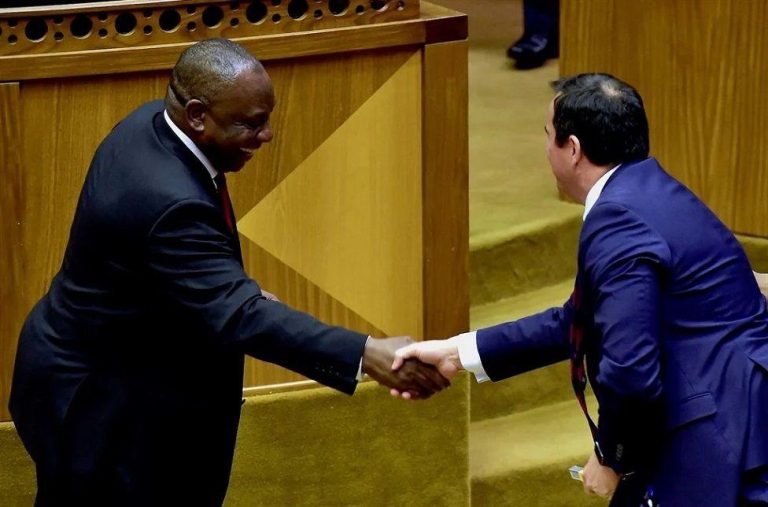
South Africa has entered a new political era as the ANC loses its parliamentary majority for the first time since 1994, forming a historic coalition government with the Democratic Alliance. This shift emphasizes negotiation, compromise, and multiparty consensus, reshaping domestic policy on land reform, economic inclusion, and social inequality. The coalition also complicates foreign policy, with internal ideological divisions affecting relations with the US, BRICS, and regional actors. Stability and effectiveness will depend on sustained collaboration amid domestic and geopolitical pressures.

Economic Policy Variation in Latin America

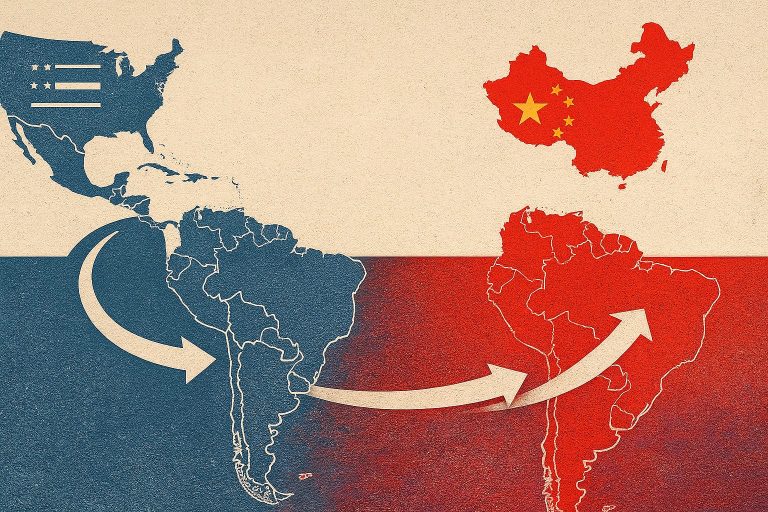
Latin America’s economic landscape is shifting as countries balance slow growth with rising geopolitical pressures. Diversified trade—especially deeper ties with China—and selective nearshoring are reshaping regional dynamics. While open-market economies like Chile and Colombia expand global access, protectionist players such as Brazil and Argentina prioritise shielding domestic industries. Despite strong potential, the region faces fiscal strain, low productivity, and infrastructure deficits. Long-term growth hinges on structural reforms and fiscal consolidation to strengthen resilience in a volatile global market.

Development of UK Trade Deals since Brexit

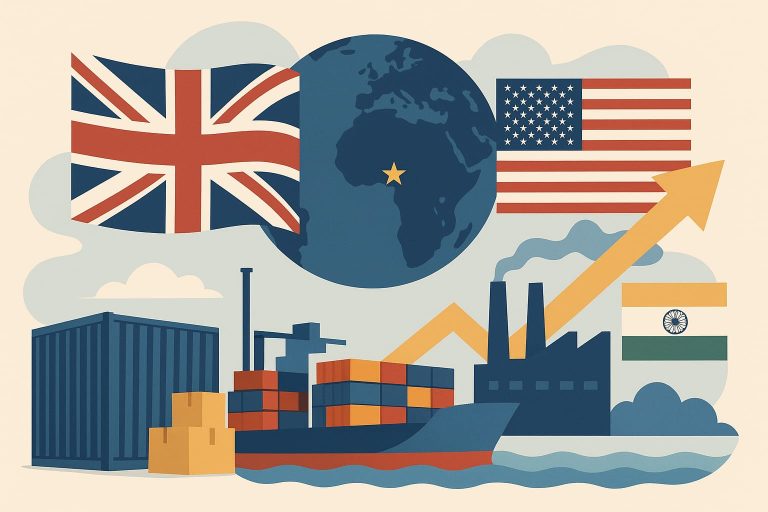
Since Brexit, the UK has pursued new and amended trade deals to expand market access and strengthen international partnerships. Agreements with the EU, US, India, and Pacific nations reflect efforts to boost exports, attract investment, and drive growth under the Invest 2035 strategy. Despite ongoing economic instability, these trade deals support diversification, innovation, and employment across high-growth sectors such as technology, clean energy, and manufacturing—positioning trade as a central pillar of the UK’s long-term recovery and competitiveness.

What does Chinese Military Expansion mean?

Beijing’s Victory Day parade has brought global attention to China’s military expansion and new nuclear capabilities. The strong demonstration of military power reflects President Xi’s political ambitions for China, carrying implications for both the East Asian region and international relations. Geopolitical tensions both within the region and between China and the US, as well as the development of diplomatic partnerships between China, Russia, and North Korea, mark an increase in militaristic competition and spending, and a united front against Western interference.