

Israel Strikes Iran: What are the Implications for US Strategic Interests in the MENA Region?
Israel’s unprecedented strike on Iran has sparked a geopolitical crisis with far-reaching consequences for U.S. strategic interests in the Middle East. From derailing nuclear negotiations to straining relations with Gulf allies and complicating ties with Israel, this dispatch examines the volatile shifts reshaping America’s role in the region.

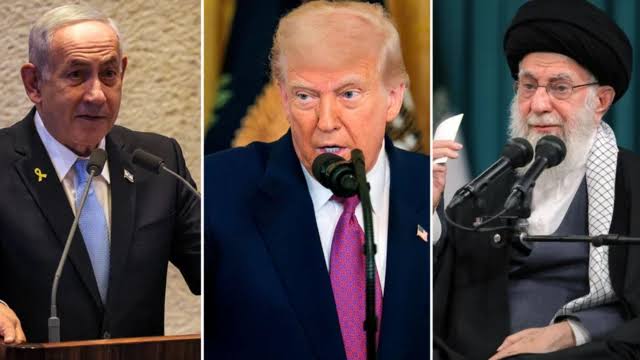
In the early hours of June 13th, Israel launched a full-scale attack on Iran, with the primary targets being Iranian nuclear facilities and high-ranking military personnel. This unprecedented Israeli attack comes at an inopportune time for the US President Donald Trump, as he is currently attempting to reach an agreement with Iran to end its nuclear enrichment programmes. The Israeli regime claims that Iran’s nuclear programme poses an existential threat to Israel’s existence and has stated on multiple occasions that any deal with Iran will not be tolerated or accepted. The Trump administration had warned Israel not to attack Iran while negotiations were ongoing, and the US’ Gulf State partners have implored Trump to advise Israel that an attack on Iran would threaten not only the national security of the GCC, but also risk destabilising the region further. While this development is still new and information is still coming out, it can be argued that this attack will have an impact on the US’ strategic interests in the region. Hence, this analytical piece will focus on the Israeli attack on Iran and the possible implications it may have on US strategic interests in the MENA region. These implications will be discussed through the following points of analysis
- US-Iran Negotiations for a New Nuclear Deal
- US-Gulf States Relations
- US-Israel Relations
US-Iran Negotiations for a New Nuclear Deal
It is fair to say that the Israeli strikes on Iran will have strong implications for US-Iran negotiations relating to the Iranian nuclear enrichment programme. As it is already known, the US and Iran have engaged in negotiations relating to the US’ desire to end Iran’s nuclear programme, which is clear after five rounds of negotiations have concluded and with a sixth round supposedly ready to take place on Sunday. So far, the talks have yielded no progress towards a deal as Iran rejected all the US proposals, which may have given Israel the incentive to strike Iran’s nuclear facilities (Fox, 2025).
These Israeli strikes against Iran can have severe consequences for the chance of a nuclear agreement being reached between the US and Iran. A possible consequence is that these attacks damage Trump’s attempts to establish himself as a peace broker in the region. This attempt is made clear through Trump’s demand for Israel not to attack Iran during negotiations, as Trump “…has been keen to secure a deal to boost his self-declared reputation as a peace broker, despite not having done very well so far on this front” (Saikal, 2025). Moreover, the chances of negotiations following the Israeli strike are further put into jeopardy following comments Trump made demanding that Iran reach an agreement before the next round of attacks take place. According to Reuters, Trump “U.S. President Donald Trump suggested that Iran had brought the attack on itself by resisting U.S. demands in talks to restrict its nuclear programme and urged it to make a deal…” (Lubell, Hafezi, and Holland, 2025). Through these demands, it is clear that Trump understands that Iran is at a point of vulnerability and most likely believes that the Israeli strikes put the US in a strong position ahead of the negotiations, if they were to happen.
Overall, the Israeli attacks on Iran have implications for the US’ ability to negotiate a new nuclear deal with Iran. One possible implication is that the negotiations have been undermined by Israel and may put a complete halt to future attempts. This sentiment is echoed through Oman, who serves as a neutral mediator for the negotiations, as it claims that Israel’s actions can lead to greater escalation (Lam and Santos, 2025). Another implication is that the US eventually joins Israel in attacking Iran in future strikes, as the US is Israel’s biggest supporter and could potentially stop Iranian nuclear enrichment by force as opposed to diplomacy. Furthermore, Iran could also attack US assets and interests in the region as a form of retaliation, which could force the US into another conflict in the region. No matter the response, the overarching implication is the same, the US-Iran talks will no longer take place and any chance at a diplomatic solution has evaporated.
US-Gulf States Relations
Although the Israeli strikes on Iran will have implications for the US-Iran nuclear negotiations, it can also be argued these strikes can have implications for US-Gulf States relations. The Gulf States have been targets of Iranian aggression in the past, especially in the aftermath of the US led assassination of Iranian General Qassem Soleimani. According to Abeer Abu Omar from Bloomberg, “Gulf states were at the center of previous Iranian responses given their closeness to the US. In 2020, attacks via Iran’s proxies on oil facilities briefly wiped out half of Saudi Arabia’s production, while Abu Dhabi suffered civilian casualties in strikes launched some three years ago” (Abu Omar, 2025). While an outright attack on the Gulf States is not likely, the US has taken precautionary measures to limit casualties to US personnel in the Gulf States from a potential Iranian response. This move was clearly a sign Trump knew of an impending Israeli attack on Iran and instructed nonessential personnel in Iraq, Bahrain, and Kuwait to evacuate as a result of an impending Israeli strike on Iran (Psaledakis, Ali, Rasheed, and Mason, 2025). Moreover, the immediate response of the Gulf States were ones of condemnation towards Israel, as countries such as Saudi Arabia, the United Arab Emirates, and Oman have denounced the attacks as reckless and in violation of international norms (The National, 2025). It is only natural that the Gulf States would condemn such an attack, as Israel’s actions put them directly in Iran’s line of sight for a retaliatory response.
The implications of the Israeli strike on Iran may vary when it comes to US-Gulf States relations. A potential implication is that Iran could carry out retaliatory strikes on US partners in the Gulf, as Bronwen Maddox, Director of Chatham House explains “There is concern across the Gulf that Iran may choose to hit back not just at Israel but at neighbours who are close to the US” (Vakil, Maddox, and Al-Muslimi, 2025). Also, the Israeli strikes jeopardises the security of US military personnel stationed in the Gulf as well as Iraq, as in previous retaliatory strikes have resulted in casualties of US troops who were stationed in Iraq in 2020. A consequence of a potential Iranian attack on US troops in the Gulf States could be the US being roped into another MENA conflict, which could lead to mass destruction and instability in the region as a whole. Furthermore, an Iranian response to Israeli airstrikes could potentially embolden proxy groups such as the Houthis to carry out their own attacks against the Gulf States due to their involvement in the Yemeni Civil War. All of these implications have the potential to become direct threats to US strategic and security interests in the region, while also putting the Gulf States’ security into jeopardy. This development would not necessarily be the end of US-Gulf relations, however, it could provide the Gulf States with a reason to look for a more reliable partner that can effectively guarantee their security.
US-Israeli Relations
Already US-Israeli relations under Trump 2.0 have been relatively cold compared to the first Trump presidency, however, the Israeli disregard for Trump’s demand that Israel should not strike Iran as long as negotiations for a nuclear deal are ongoing could lead to more frost on the relationship. In the immediate aftermath of the first attack, US Secretary of State Marco Rubio stated that the US was not involved in the Israeli decision to attack Iran and that Israel acted unilaterally (Blevins, 2025). This is an indicator that the US is attempting to distance itself from Israel, as they do not want to be roped into an Iran-Israel conflict. Moreover, it can be argued the unilateral nature of Israel’s strike on Iran is a scathing indictment on how little leverage the US has over Israel and poses a threat to the US’ plans for the MENA region. This is evident as Natasha Lindstaedt, professor in the Department of Government at the University of Essex, explains how “The US has become more of a spectator than a powerful regional actor” due to lack of action to restrain Israel on numerous occasions such as “…Israel’s airstrike that killed Hezbollah leader Hassan Nasrallah in October 2024, a sign of Israel’s growing willingness to act without US approval” (Lindstaedt, 2025). This clearly shows that due to a lack of accountability, Israel believes that it has free reign over the MENA region and can act with impunity without fear of action from the US or its allies.
The Israeli unilateral action against Iran can have long-term implications for the US-Israel relationship. As Jonathan Panikoff of the Atlantic Council explains “…if the Israelis warned Trump that they were going to strike (hence the evacuation of Americans), the US president told the Israelis not to, and the Israelis went ahead with the plan anyway, then we may look back at Thursday as the evening in which the US-Israel relationship permanently shifted.” (Panikoff, 2025). How this shift will potentially look depends on developments in the following days, weeks, and months and will determine how Trump will treat Israel going forward. One potential outcome of this shift can be US military and economic aid to Israel being conditional, as Trump would most likely want to show Israel that they cannot act unilaterally or go against his demands as a form of punishment. Moreover, it is possible that the Trump-Netanyahu relationship could dissolve, which could spell trouble for Netanyahu as he considered Trump a reliable ally against domestic pressures, and he could use allies at this moment considering the state of domestic politics in Israel. However, a realistic scenario is that the US-Israel relationship could weather the storm, which could see the US provide military assistance in future attacks against Iran, or even join in, as the US is a staunch ally of Israel, and Israel relies on US and Western assistance to sustain its existence. In all likelihood, the US-Israel relationship could still be maintained, with some slight adjustments to make sure that Israel does not act out of turn when it comes to the US interests in the MENA region.
Conclusion
In the end, the argument can be made that Israel’s strikes on Iran could have a plethora of implications for US strategic interests in the MENA region. In terms of the US-Iran nuclear negotiations, it is almost certain that the Israeli strikes will put a stop to Trump’s attempts to broker an agreement with Iran to halt their nuclear enrichment programme, which can have implications for Trump’s desire to establish himself as a peace broker in the region. Furthermore, these attacks also pose a threat to US military personnel and the Gulf States, as Iran and its proxies could launch retaliatory strikes against US military bases in the region, which will not only threaten the US military presence but also pose a national security risk towards the Gulf States. Conclusively, the US-Israeli relationship can shift due to the unilateral actions of Israel, which could see the US adopt policies to restrain Israel whether it be through conditional aid or cutting ties with Netanyahu. As a final thought, the region is heading toward a period of uncertainty and increasing tensions as a result of Israel’s actions, which can directly impact the US’ strategic interests and relationship in the time to come.
Sherif Amin is a non-resident research fellow at the American Program of the Sixteenth Council
Critical Minerals and the Green Transition: Europe’s New Dependency Risk