Maryjane Eze

Maryjane Eze

Maryjane is the Chief of Staff to the Executive Chairman of the Sixteenth Council. Previously, She served as the Acting Head of Nigeria Operations, where she led national initiatives, managed stakeholder engagement, and coordinated key projects to advance the organization’s mission. As an economist, Maryjane has a wealth of experience providing analysis and high-level policy recommendations to stakeholders and Governments. Her expertise spans economic policy, sustainable development, and strategic program implementation. Maryjane’s work has contributed to transformative outcomes in governance and organizational development, and she has collaborated with various national and international organizations to address complex economic challenges and foster sustainable growth.

The Missing Middle: The Structural Financing Gap That Keeps SMEs Small

Small and medium-sized enterprises (SMEs) drive over 90% of African businesses and are vital to employment, innovation, and industrialisation. Yet many remain trapped in the “missing middle”—too large for microfinance but too small or informal for bank loans or venture capital. This structural financing gap limits their ability to expand, modernise, or join regional value chains. Without growth capital, SMEs operate below potential, reinforcing inequality and slowing Africa’s broader economic transformation and competitiveness.
How Africa’s Infrastructure Gaps Are Holding Back Regional Value Chains

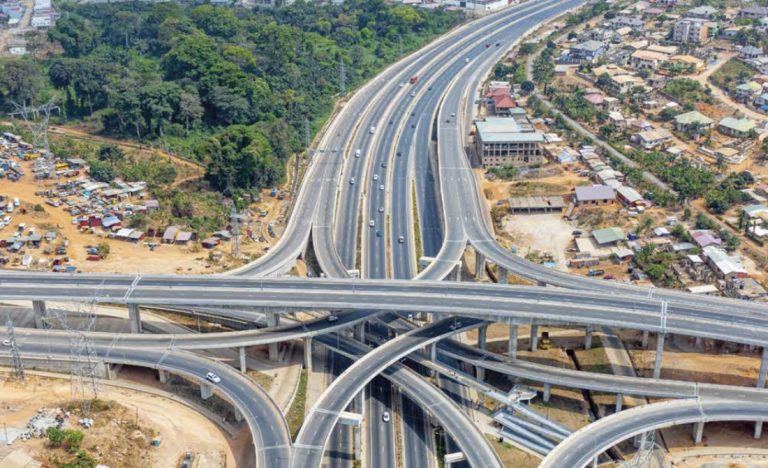
Despite the promise of AfCFTA, Africa’s regional trade remains stunted by a critical and underexamined barrier: infrastructure. This dispatch argues that fragmented, underfinanced, and nationally siloed infrastructure systems are preventing the emergence of regional value chains. From broken transport links to disconnected power grids and outdated customs systems, the lack of coordinated, production-enabling infrastructure is the single most decisive bottleneck to industrial integration. Without a radical shift in governance, finance, and planning, Africa risks missing its moment in the global value chain race.

Reimagining Nigeria’s Business Environment for Inclusive Growth

Nigeria’s private sector holds immense potential, but systemic frictions—regulatory inefficiencies, infrastructure gaps, and weak contract enforcement—continue to limit growth. This report offers a structural assessment of the business environment across five critical pillars, highlighting the urgent need for institutional reform. While recent policy efforts show intent, deeper, systemic change is required to unlock investment, drive innovation, and position the private sector as a key engine of national development. The time for coordinated, transformative reform is now.

Are African Economies Prepared for a Global Trade Reordering Driven by U.S. -China Decoupling?

As the U.S.–China economic decoupling redefines global trade, Africa faces a critical inflection point. The continent must either seize emerging supply chain opportunities or risk deeper marginalisation. This dispatch lays out a strategic readiness agenda—from industrial zoning to smart trade defence—aimed at positioning Africa within the evolving global trade order.

Africa’s Strategic Position in the Red Sea and Indian Ocean Geopolitics: What’s really at stake as African coastal countries attract the world’s biggest powers?

Africa’s coastline is emerging as a geopolitical battleground where global powers vie for influence through strategic port access and dual-use infrastructure. From Djibouti to Lamu, African states must balance investment with sovereignty, transforming maritime assets into levers of power—not vulnerabilities—in the global contest shaping the Red Sea and Indian Ocean order.

Rethinking the Purpose of Debt in Africa’s Development Vision

African countries often borrow with the broad aim of financing development, yet the actual application of debt proceeds frequently diverges from this intention. The historical record reveals a recurrent failure to convert debt into sustained economic productivity. This raises a fundamental question: Are African states borrowing for transformation, or simply borrowing to survive?

Nigeria’s Economic Recovery: Is the 2025 Growth Target Realistic Amid Global and Domestic Challenges?

In the context of Africa’s evolving economic landscape, Nigeria occupies a critical, albeit increasingly contested, position. Nigeria’s economic trajectory is of significant interest to both domestic and global observers. In 2024, the Nigerian government set an ambitious target: a robust…