Israel Olaniyan

Israel Olaniyan

A Generation in Flux: Youth, Migration and the New Political Contract
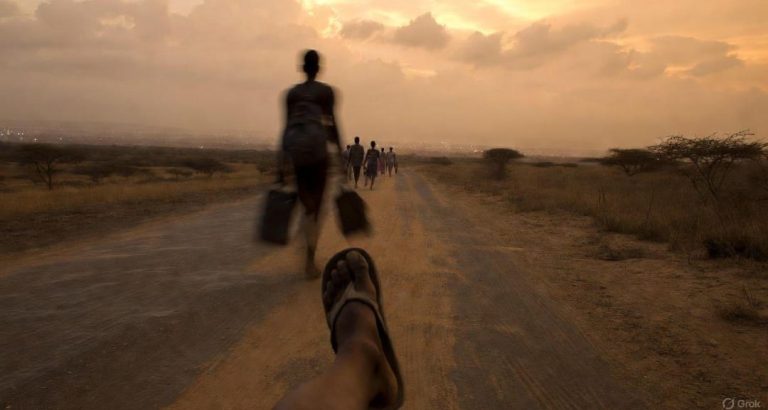
Africa’s post-independence promise to its youth—dignity, work, and belonging,has eroded. Today, with a median age under 20, most young Africans face exclusion from jobs and politics, while leaders remain decades older. Migration has become a silent protest, reflecting disillusionment with stagnant governance. Youth no longer seek token inclusion but credible participation and reform. Unless governments rebuild trust through opportunity and accountability, Africa’s brightest generation will keep voting with their feet—reshaping politics, economies, and the continent’s future from afar.

Aspiration or Implementation: Friction and the AfCFTA’s Great Experiment

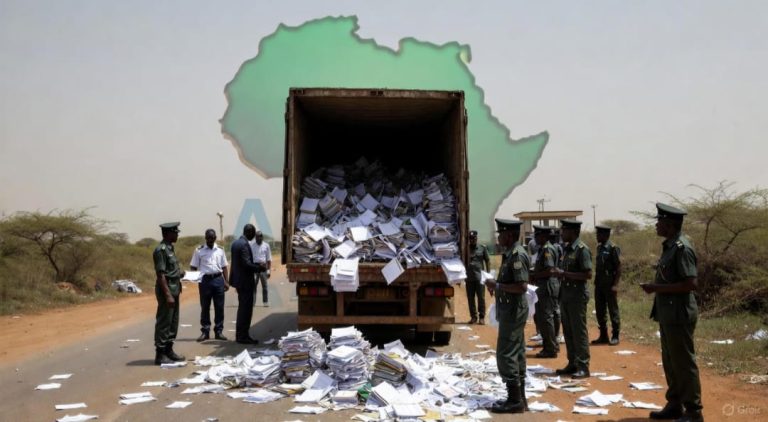
A shipment from Accra to Lagos should take a day but often takes four—stalled by paperwork, checkpoints, and unofficial fees. This reflects the persistent barriers undermining the African Continental Free Trade Area (AfCFTA). Launched in 2021 to create a seamless African market, AfCFTA promised lower tariffs, unified trade rules, and continental growth. Yet, nearly four years later, non-tariff barriers, weak infrastructure, and fragmented regulations continue to slow progress. Vision remains high, but real implementation lags behind ambition.

Localizing Intelligence: Africa’s Fight for Inclusive AI

When African computer scientist Atika Elshazli tested a breast cancer detection model, it failed her patients—not from error, but exclusion. Most AI training data comes from the West, leaving African realities invisible in the code. Across the continent, a new movement is rising to change that—anchoring artificial intelligence in ethics, data sovereignty, fairness, and access. If Africa grounds AI in its own values like Ubuntu, it won’t just catch up to the future; it will redefine its moral frontier.

From Presence to Power: Can Africa Redraw the Map of Global Governance?

Africa is no longer absent from global governance—it’s increasingly present, from BRICS to the G20. But visibility without influence is a hollow victory. Despite symbolic gains, real power remains elusive, scattered by internal disunity and institutional limits. To shape the world order, Africa must build leverage, not just presence—through coherence, strategic diplomacy, and reform from within. The seat at the table is not the prize; what Africa does with it is.

The Sahel Without France: Who Fills the Void?

France’s military exit from the Sahel didn’t leave a vacuum—it exposed one. As Russian operatives, Turkish drones, and Gulf aid flood the region, violence has only intensified. The era of Françafrique has ended, but what follows is a scramble, not a solution. This article explores the fractured aftermath, the foreign agendas now shaping the Sahel, and the urgent case for African-led security built on legitimacy, not foreign leverage.