Global Policy Intelligence Unit

Global Policy Intelligence Unit

Italy’s Migration Crossroads: Redefining Europe’s Southern Frontier

Italy is recalibrating its migration strategy through a dual track: expanding legal work visas to offset a shrinking workforce while tightening maritime deterrence along the central Mediterranean. Offshore asylum centres in Albania aim to separate arrival from entry rights, though EU divisions and Libya’s fragmented politics strain coordination. If courts uphold the model, it could redefine Europe’s southern frontier; if not, Italy risks renewed arrival surges, humanitarian strain, and deepened fractures in EU solidarity on migration policy

Ethiopia’s Regional Influence and Nile Politics

As global power dynamics shift, infrastructure sovereignty is emerging as a decisive frontier of national strategy. From AI regulation to data localization and critical supply chains, states are reasserting control over foundational systems. This Strategic Dispatch explores how these developments are redefining geopolitics and what they mean for long-term competitiveness, security, and influence. For policymakers and corporate leaders alike, navigating this terrain requires a strategic recalibration—one grounded in foresight, coordination, and a sober understanding of evolving global realities.

Burundi’s Strategic Withdrawal: Domestic Pressures and the Great Lakes Security Ripple 

Burundi’s planned withdrawal from the African Union mission in Somalia marks a turning point for its military and political landscape. For nearly two decades, AU deployments provided cohesion, professional development, and strategic leverage. Ending this role risks weakening internal discipline, reducing diplomatic influence, and complicating regional security coordination. With tensions in eastern DRC and uneasy relations with Rwanda, the transition could reverberate beyond Burundi’s borders, shaping the stability of the Great Lakes region in the months ahead.

Monthly Geopolitical Policy Brief – July 2025 Edition

This edition of the Monthly Geopolitical Policy Brief explores pivotal developments reshaping the global policy landscape—from Syria’s $800 million Tartous Port deal to landmark privacy and AI legislation in the United States and European Union. With insights on Africa’s continental agrifood framework and Gulf re-engagement in the Levant, this brief offers diplomats, policymakers, and business leaders timely intelligence on emerging regulatory paradigms and strategic power shifts across regions. Essential reading for future-focused decision-making.

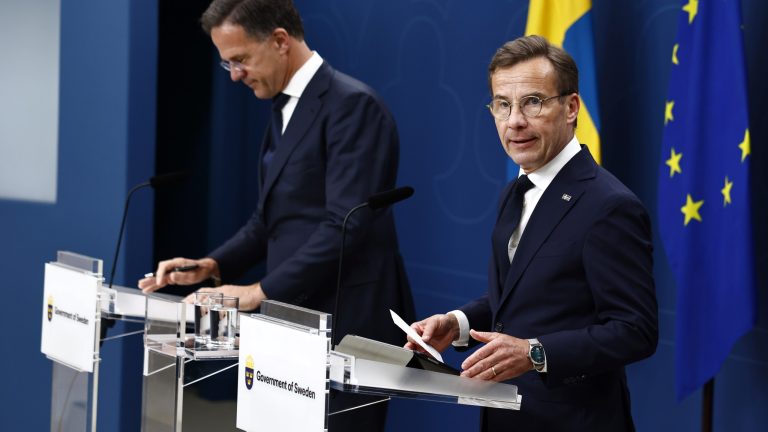
Sweden Commits 5% of GDP to Domestic and NATO Security

Sweden has unveiled one of the most ambitious defence investments in its modern history, committing to allocate 5% of its GDP to national and NATO security by 2030. The multi-party agreement includes $31 billion in new spending to modernise Sweden’s military and civil defence. As geopolitical tensions escalate, particularly around the Baltic, Stockholm’s move positions it as a frontline NATO contributor. However, balancing long-term ambition with economic and operational constraints will test Sweden’s resilience and readiness in the years ahead.