Christian Jimenez

Christian Jimenez

Peru–Indonesia Trade Diplomacy: CEPA Momentum Amid U.S. Tariff Pressures
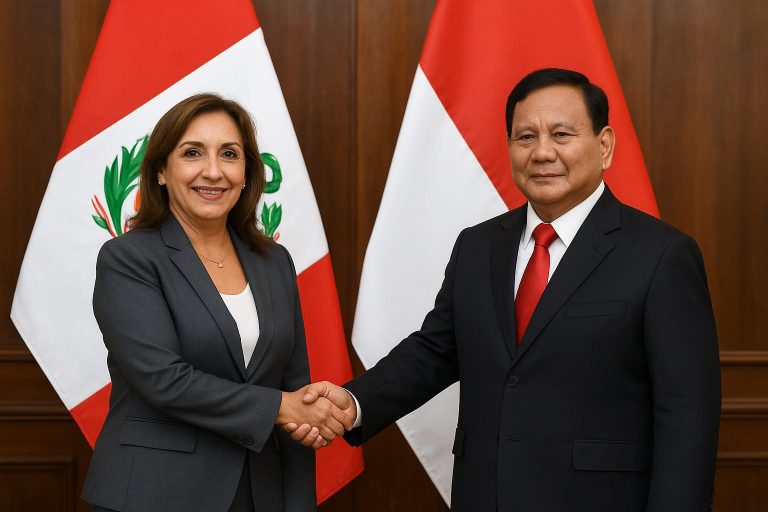
Peruvian President Dina Boluarte and Indonesian President Prabowo Subianto met in Lima to advance economic cooperation amid new U.S. tariffs—19% on Peru and 10% on Indonesia. Central to their talks was the Comprehensive Economic Partnership Agreement (CEPA), expected to be signed soon after being agreed in principle in May. The pact positions Peru as Indonesia’s bridge to Latin America and Indonesia as Peru’s entry into Southeast Asia, reinforcing cooperation in trade, food security, energy, and sustainable development.


Argentina’s Fiscal Gambit: Milei’s Vetoes, Market Signalling, and the Politics of Austerity

In Buenos Aires, President Javier Milei’s veto of congressional bills to expand pensions, disability support, and moratorium extensions underscores his uncompromising libertarian agenda. By blocking spending increases while pushing symbolic measures such as banning Central Bank transfers to the Treasury and criminalising deficit budgets, Milei signals a doctrine of austerity over welfare. He frames social expansion as a threat to fiscal surplus and the peso’s stability, positioning Argentina on a collision course between economic orthodoxy and mounting public discontent.

Brazil’s “Devastating Bill”

Brazil’s Congress has passed the so-called “devastation bill,” easing environmental licensing for projects in the Amazon and reducing protections for indigenous and quilombola lands. Critics warn it’s the biggest environmental rollback since the 1980s, potentially enabling large-scale deforestation and biodiversity loss. Supporters claim it will boost investment by removing bureaucratic hurdles. President Lula could veto the bill, but Congress may override. With the Amazon’s global role in climate regulation and biodiversity, the law’s passage could have worldwide environmental consequences, including for Africa.

“The Line” Review

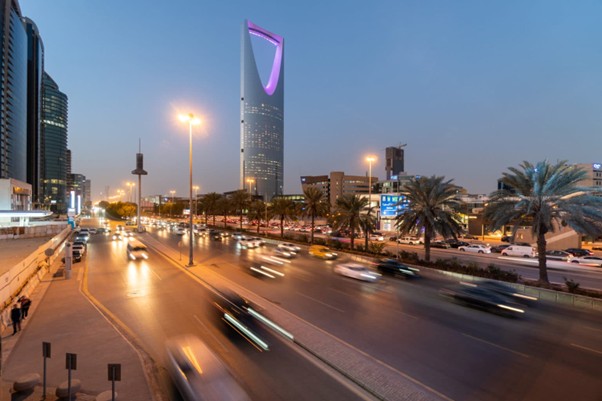
Saudi Arabia’s \$500 billion mega project, “The Line,” part of the NEOM initiative under Vision 2030, faces financial and ethical scrutiny amid falling oil revenues. Planned as a 100% renewable, linear city for 9 million residents, its projected 2030 population has been cut to 300,000. Critics cite massive costs, budget deficits, and alleged forced displacements of the Al-Huwaitat tribe. The project’s future remains uncertain, with global economic implications, including potential effects on Africa where Saudi investments may reach \$41 billion in the next decade.

The Big Beautiful Bill: Domestic Vision, Global Ripples

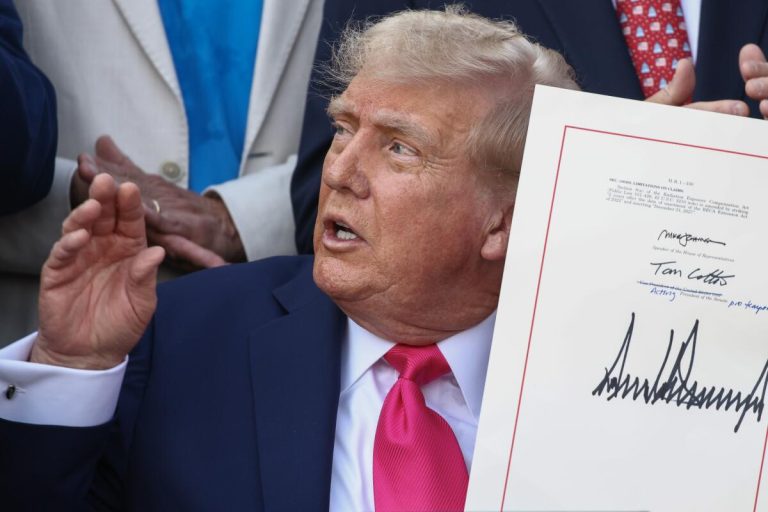
Donald Trump’s “Big Beautiful Bill,” passed on July 4, 2025, delivers sweeping tax cuts and boosts defense and immigration enforcement, but faces sharp criticism over its impact on debt and social safety nets. While the administration touts economic benefits, the bill reallocates Medicaid and SNAP funding to states and imposes new work requirements. Internationally, Trump’s tariff strategy—especially on countries like South Africa—raises economic uncertainty. The bill marks a bold, polarising vision with far-reaching domestic and global implications.