The Iran Strike: Regional Conflagration and Global Strategic Implications
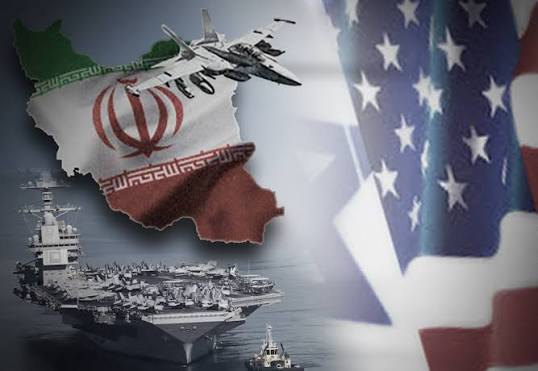
The U.S.–Israel strikes on Iran represent now a decisive shift in regional security dynamics. By targeting strategic military infrastructure, the attacks have elevated the Gulf from a zone of tension to an active theatre of risk. Iran’s capacity for asymmetric retaliation through maritime disruption and proxy escalation remains intact. Energy markets, trade corridors, and alliance structures now face renewed volatility, while major powers recalibrate shifting positions in anticipation of a prolonged period of instability and competitive deterrence ahead globally today.

Strategic Overview
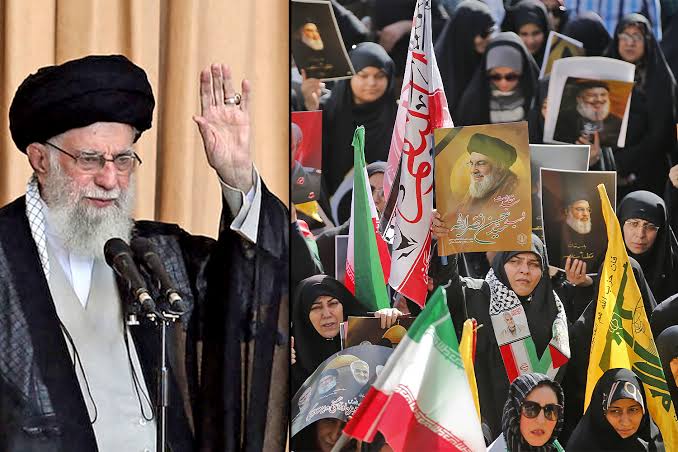
The coordinated U.S.–Israeli military strikes on Iran in late February 2026 mark a major escalation in Middle East tensions. Targeted operations hit military infrastructure, missile facilities, and leadership compounds, with Tehran vowing a “crushing response.” While Israel frames the strikes as preemptive, the operational and political consequences extend far beyond Iran’s borders. Immediate retaliatory strikes on U.S. bases and allied facilities in the Gulf demonstrate that the conflict cannot remain localized. Analysts warn that what may begin as tactical military gains risks triggering multi-front escalation, proxy activation, and destabilization of global energy and trade flows.
Operational Context
Military Dimension: Precision strikes have degraded key Iranian missile and command capabilities, but Iran retains substantial retaliatory capacity through missile forces, proxy networks (Hezbollah, Iraqi militias, Houthis), and maritime disruption potential. U.S. and Israeli forces now face credible threats across Iraq, Bahrain, Kuwait, Qatar, and the UAE.
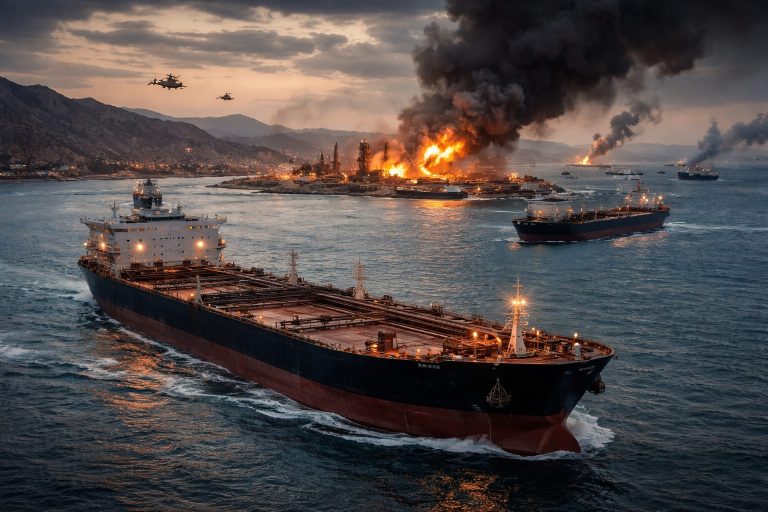
Economic & Energy Dimension: The Strait of Hormuz remains a chokepoint for 20% of global oil shipments. Even limited disruptions from missile or drone attacks could spike oil prices, destabilize global trade, and amplify inflationary pressures. Insurance premiums for shipping are already rising, signaling market risk recognition.
Political Signaling: Washington and Jerusalem present the strikes as a demonstration of resolve against nuclear proliferation and imminent threats. Tehran interprets them as existential, justifying accelerated nuclear development and regional assertiveness. Proxy actors are on heightened alert, raising the risk of simultaneous escalations across multiple theatres.
Geopolitical Tensions
Global Confidence: Direct U.S. involvement transforms Washington from regional arbiter to combatant, prompting scrutiny from allies and adversaries alike. Persistent strikes and escalation raise questions about American deterrence credibility in the Gulf and broader Middle East.
Alliances and Blocs: Russia has condemned the attack as “unprovoked aggression,” signaling potential support for Iran. China’s posture is likely calibrated toward energy security and strategic neutrality, but economic leverage could influence regional outcomes. The conflict accelerates bloc formation: U.S.–Israel–Gulf versus Iran–Russia–potentially China.
Trade & Energy: Beyond oil, global shipping and trade flows risk disruption, affecting markets from Asia to Europe. Even short-term interruptions in the Gulf could exacerbate energy inflation and supply-chain vulnerabilities.
Strategic Outlook
Baseline Assessment: The strikes provide tactical degradation of Iranian capabilities, but the structural dynamics of Iranian deterrence, proxy networks, and regional grievances remain. The conflict is likely to broaden rather than contain.
Next 2–4 Weeks:
- Proxy and Regional Escalation: Heightened risk of Hezbollah, Iraqi, and Houthi operations against Israel and Gulf interests.
- Maritime and Energy Disruption: Increased chance of incidents in the Strait of Hormuz and Red Sea shipping lanes.
- Global Diplomatic Signaling: NATO, EU, and Asian powers may adjust posture in response to U.S.-led escalation.
Implications
For the U.S.: Direct involvement increases military and political exposure, complicates energy and defense budgets, and constrains flexibility in other global theatres. Maintaining long-term deterrence may require sustained troop presence and resource commitments.
For Allies: Gulf states face immediate operational risk; European and Asian partners may encounter higher energy costs and disrupted trade. Traditional supply-chain dependencies on U.S. security guarantees are under stress.
For Rivals: Russia and China interpret the conflict as a test of U.S. resolve and strategic bandwidth, potentially encouraging assertive actions in contested regions elsewhere.
Conclusion
The U.S.–Israel strikes on Iran represent a strategic inflection point in Middle East security. Tactical gains may be overshadowed by the risk of multi-front escalation, regional destabilization, and global energy disruption. The window for de-escalation is narrow, and the stakes extend from Tehran and Tel Aviv to global markets and great-power geopolitics.