Dr. Silvana Sosa Clavijo

Dr. Silvana Sosa Clavijo

Critical Minerals and the Green Transition: Europe’s New Dependency Risk

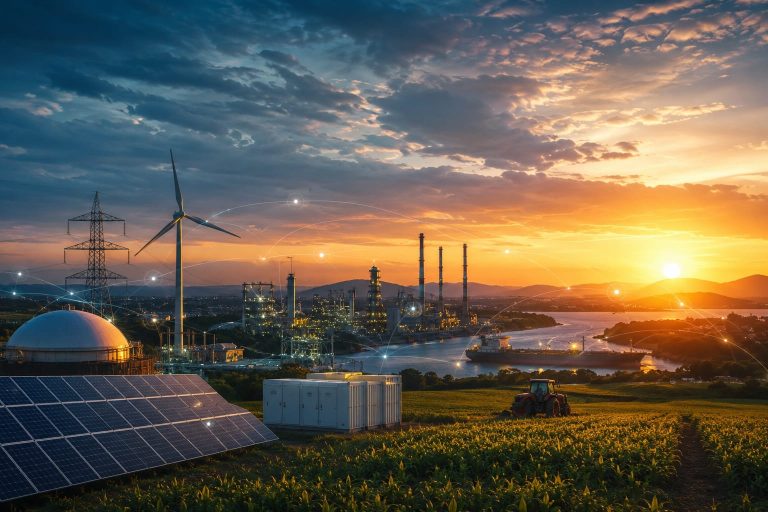
The European Green Deal is one of the most ambitious climate and industrial strategies toward a decarbonized energy system, industrial leadership, and climate resilience. However, while Europe seeks energy independence from fossil fuels, it faces an important vulnerability: dependence on critical minerals. Lithium, cobalt, nickel, rare earth elements, and graphite are indispensable for electric vehicles, renewable infrastructure, and advanced technologies — but their supply is heavily concentrated in a few countries, creating potential strategic bottlenecks.

EU–Mercosur: A Win–Win Partnership in an Era of Strategic Uncertainty

After more than two decades of negotiations, the EU–Mercosur Agreement creates one of the world’s largest free trade areas, connecting over 700 million consumers. It offers Mercosur preferential access to the EU’s high-income market for agri-food and bioeconomy exports, while providing the EU improved access to Mercosur markets for industrial goods, machinery, automobiles, and services. This structural complementarity drives mutual gains rather than zero-sum competition, enhancing economic resilience, investment flows, and supply-chain diversification for both partners in a fragmenting global order.

A Continent Under Pressure: Europe’s Battle for Sustainable Food Security

Europe’s food security is entering a new era of vulnerability as climate change, rising production costs, geopolitical shocks, and widening inequalities disrupt every stage of the food chain. While food availability remains strong, affordability and access are deteriorating for millions. With climate-driven losses mounting and supply chains increasingly exposed to external risks, Europe must shift from reactive crisis management toward a resilience model built on climate adaptation, supply-chain diversification, stronger food-safety governance, and targeted support for vulnerable consumers.

Navigating the Reconfiguration of the Global Order

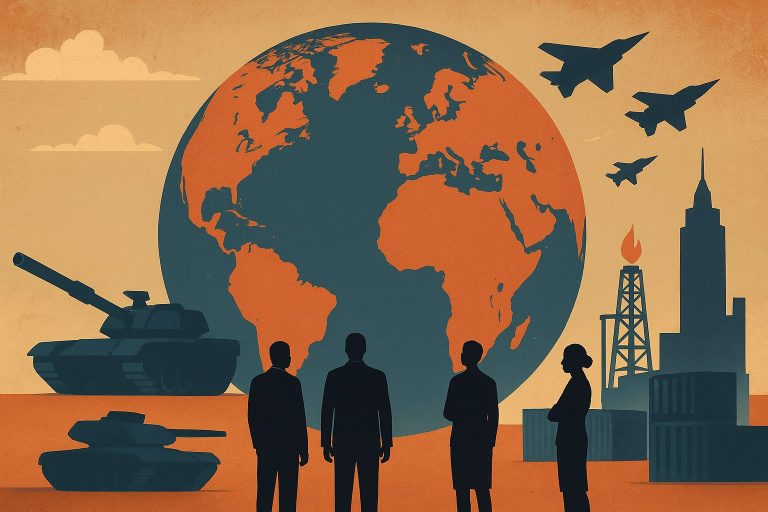
The global order is undergoing its deepest reconfiguration since the Cold War. Power is diffusing beyond the U.S.–China axis to assertive regional powers, non-state actors, and transnational corporations. Conflicts, supply-chain shocks, and climate pressures are exposing the fragility of old institutions. De-risking strategies, digital competition, and the energy transition are redrawing economic and security maps in real time. Resilience, adaptability, and pragmatic cooperation—not outdated assumptions—will determine which nations and institutions thrive in this fluid, contested system.

From Borders to Bridges: Europe’s New Trade Vision with the Mediterranean

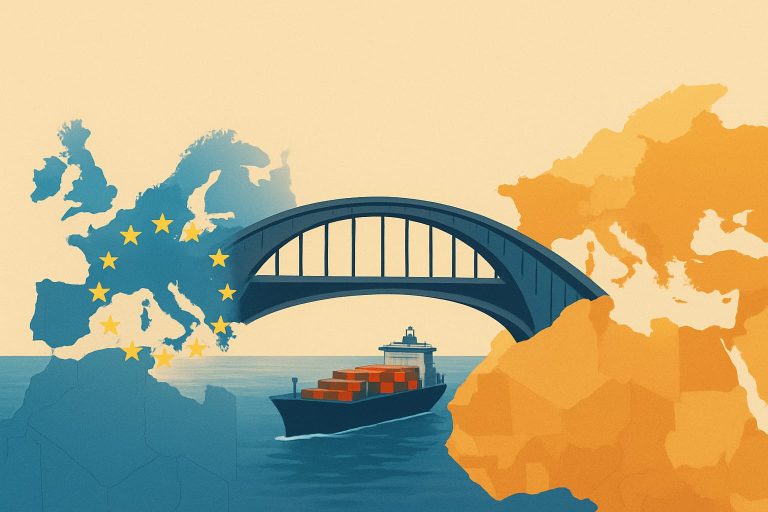
Europe’s evolving trade vision with the Mediterranean goes beyond tariff cuts, focusing on regulatory convergence, digitalisation, and green value chains. The revised Pan-Euro-Mediterranean origin rules now allow flexible cumulation across 24 partners, strengthening regional supply chains in textiles, agri-food, and automotive components. Success, however, depends on overcoming capacity gaps, regulatory bottlenecks, and social adjustment pressures in Southern partners. By linking trade facilitation to investment in customs, digital systems, and green industries, the EU seeks both resilience and shared sustainable growth.

The Trump–Putin Summit and its implications for Sustainable Development

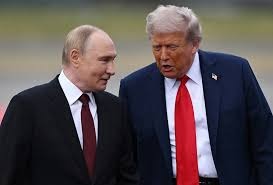
The Trump–Putin summit in Anchorage underscored shifting geopolitical dynamics with far-reaching consequences for sustainable development. While dominated by the Russia–Ukraine war, its implications extend to energy security, climate goals, food supply chains, and global cooperation. Agreements hinting at fossil fuel dependency, U.S. security guarantees to Ukraine, and weakened multilateralism risk slowing progress on the SDGs. With disruptions to trade, aid, and decarbonization, the summit highlights the need for vigilant international advocacy for sustainability, inclusivity, and cooperative governance.