
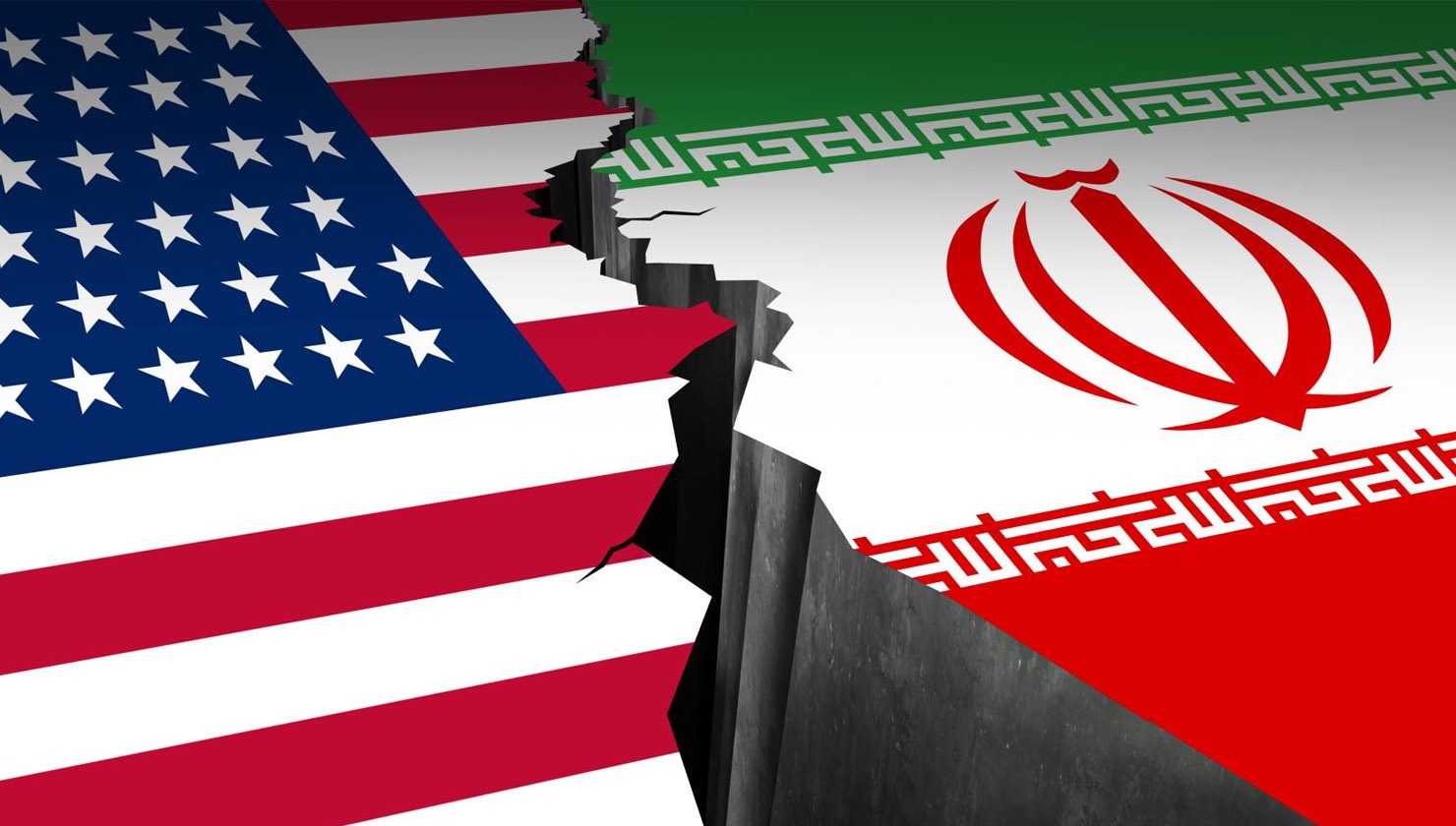
A New Iran Nuclear Deal – Can an Agreement be Reached or Will a Conflict be Born?
As US-Iran nuclear negotiations stall, rising tensions risk igniting conflict. While interim deals and Omani-mediated proposals offer hope, like a regional consortium enriching uranium under IAEA oversight, key issues remain unresolved. President Trump’s threats of airstrikes and Israel’s potential unilateral action underscore the stakes. A peaceful resolution via the Omani framework may avert regional destabilization and ensure Iran’s nuclear program remains civilian-focused under multilateral scrutiny.

The US and Iran have been engaged in negotiations mediated by Oman to reach an agreement regarding Iran’s nuclear programme. So far, the negotiations have been less than fruitful as the US and Iran have been through five rounds of negotiations and have yet to produce an agreement that is satisfactory for both parties. On one hand the US wants Iran to completely halt its uranium enrichment programme in exchange for a lift on sanctions. On the other hand, Iran maintains that its nuclear programme is necessary for producing nuclear energy for civilian use. The pressure to reach an agreement is at a high point as the US President Donald Trump has threatened to carry out airstrikes targeting Iran’s nuclear facilities while Israel has also threatened to carry out their own airstrikes in the case that they feel under threat. It is imperative that both the US and Iran reach some sort of an agreement or risk a potential conflict in the MENA region. Therefore this piece aims to analyse whether or not the US and Iran can negotiate a new Iran Nuclear Deal or face the risk of a new conflict. This article will be divided into the following sections to answer this question:
- Can a New Iran Nuclear Deal be Made?
- What Happens if an Agreement cannot be Reached?
Can a New Iran Nuclear Deal be Made?
As of now, there is a stalemate between the US and Iran when it comes to forming a new deal that would see Iran suspend its uranium enrichment programme. However, one can argue that there is a possibility to reach some form of interim agreement that can serve as a beneficial solution for both the US and Iran. According to an unnamed US Official, an interim agreement can be made between the US and Iran which could “…involve freezing uranium enrichment for an initial period of three years in return for the sanctions being partially lifted” (von Hein, 2025). An interim agreement of this kind could potentially benefit Iran, as the Iranian economy is currently suffering due to heavy sanctions from the US and European countries. These sanctions have been in place since Trump withdrew from the original Iran Nuclear Deal, which resulted in a ‘maximum pressure’ campaign which aimed to reduce Iran’s ability to export oil and other essential goods (Motamedi, 2025). An interim agreement can be reached through Iran pausing its enrichment programme for three years resulting in a sanctions lift, which can lead to an economic recovery, while quelling US fears of a nuclear Iran. Therefore, an interim agreement of this sort can possibly lead to a new Iran Nuclear Deal, as Iran can benefit from a sanctions lift, which could be vital for Iranian trade and economic growth.
While this US-proposed interim agreement consisting of a three year pause in nuclear enrichment can potentially lead to a new Iran Nuclear Deal, Oman, the key mediator in these negotiations, has also provided two potential proposals that can lead to an effective agreement between the US and Iran. The first proposal focuses on a six-month suspension of Iranian nuclear enrichment while the second proposal focuses on creating a consortium of MENA countries that will provide oversight to Iranian nuclear activities (Sharifi, 2025). This proposed consortium will also include the International Atomic Energy Agency serving as watchdogs, while these MENA countries will enrich uranium to be provided to Iranian nuclear facilities (Atwood, Treene, and Hansler, 2025). The Omani proposal consisting of a MENA consortium should serve as a strong incentive for Iran to accept a nuclear deal with the US, as Iran can still benefit from utilising nuclear material as long as the source comes from outside of Iran. Also, this proposal could allow the Iranians to collaborate with other MENA countries in nuclear projects that could potentially generate clean nuclear energy for the MENA region. Therefore, one can consider the Omani proposal for a MENA consortium could lead to a beneficial agreement for Iran as it could allow Iran to continue to use nuclear material under the regulation of MENA countries, while also reassuring the US and its MENA partners that Iran’s nuclear capabilities are controlled.
Overall, it is possible for the US and Iran to reach a deal that can be beneficial to both nations. Specifically, the second Omani proposal would be the most beneficial to the US and Iran, as it would allow Iran to still use nuclear material under the watchful gaze of a consortium of MENA countries, who would most likely enrich uranium on behalf of Iran for use in Iranian nuclear reactors. Moreover, a possible benefit of the Omani proposal could be the peaceful integration of Iran into the MENA region, as this consortium could potentially see a development of relations between Iran and the Gulf States. Therefore, it would be of great benefit to Iran to agree to this Omani proposal to develop closer ties to the Gulf States, while also providing reassurances to the US that their nuclear uses will be primarily peaceful.
What Happens if an Agreement cannot be Reached?
At this point of negotiation, there is a likely chance that an agreement will not be reached, which can be a cause for concern for the MENA region. According to Iranian Ministry of Affairs Spokesperson Esmail Baghaei ““Iran will never accept” the suspension of its enrichment programme…” (Baghaei, 2025 cited in Al Jazeera, 2025). The public defiance of the US redlines relating to the complete cessation of Iran’s uranium enrichment programme is cause of concern as Trump threatened a military response. Although Trump has threatened military action against Iran, he settled for increased sanctions, more specifically on the “…sale of sodium perchlorate to the Islamic Republic” (Gambrell and Zampano, 2025). While Trump has increased sanctions on Iran, he shares an optimistic view that the US is close to reaching a deal, which can be finalised at the sixth meeting of negotiations (Atwood, Treene, and Hansler, 2025). It is important to note that although Trump claims that a provisional deal is insight, it is not guaranteed that a deal will be made. Whether or not a deal is made, it is more probable that Trump will not resort to using military action against Iran, as it would risk the US being dragged into another ‘forever war’ in the MENA region, which could destabilise the region and put the US’ MENA partners at risk of an Iranian attack.
While the chance of a US strike on Iranian nuclear facilities is unlikely, there is a probable chance that Israel can lead a military campaign on its own. According to Gavin Blackburn of Euronews “…Israel has threatened to strike Iran’s nuclear facilities on its own if it feels threatened, further ratcheting up tensions in a Middle East already rattled by the war in Gaza” (Blackburn, 2025). An Israeli strike on Iran’s nuclear facilities is on the table for Israeli Prime Minister Benjamin Netanyahu, as Iran is seen as an existential threat to Israel’s existence. If Israel were to carry out a strike against Iran, it would be well received among the Israeli security establishment as the far-right elements of Israeli government share Netanyahu’s hawkish view on Iran (Weisz, 2025). Although Israel has been calling for an attack on Iran, Trump has warned Netanyahu not to go through with an attack as he claimed it ““would be inappropriate to do right now because we’re very close to a solution”” (Al Jazeera, 2025). If an Israeli attack were to take place during these negotiations, it would not only cause Iran to retaliate but also give them a reason to pursue nuclear weapons, which would be a major setback for Trump’s MENA policy.
Ultimately, the consequences of a deal not being made between the US and Iran can be disastrous for the MENA region. An American or Israeli airstrike resulting from an agreement not being reached will have an impact on numerous actors in the region. In the case of the Gulf States, there is a valid fear that a US or Israeli airstrike on Iran’s nuclear facilities will result in a reprisal attack that can devastate the Gulf region and its partners throughout MENA. In the case of the US, an attack on Iran will most likely result in an US-Iran conflict that will further destabilise the region and would result in the US getting involved in another war in MENA, which could have a devastating impact on the US economy as well as damage US’ image as a reliable partner.
Conclusion
Conclusively, a US-Iran nuclear deal in the age of Trump is possible even if the chances of a deal being made are slim. The best course of action to achieve a deal that is equitable for both the US and Iran would be to follow the Omani proposal of creating a MENA consortium that would enrich uranium on behalf of Iran under the watchful eyes of the IAEA. This proposal guarantees that Iran would be allowed to have access to nuclear materials if the MENA consortium is responsible for enriching the uranium and the IAEA monitors Iran’s use of such material. The inability to reach a deal can have dire consequences if the US or Israel were to launch an all-out attack on Iran’s nuclear facilities, as the US’ partners in the Gulf would be at risk of Iranian reprisal and the US would be at risk of getting involved in another ‘forever war’ in the region. Therefore, the best-case scenario would be for the US and Iran to reach an agreement based on the Omani proposal, which will limit the risk of a future conflict while guaranteeing Iran has access to nuclear materials enriched by its neighbors in the Gulf.
Sherif Amin is a non-resident research fellow at the American Program of the Sixteenth Council

Critical Minerals and the Green Transition: Europe’s New Dependency Risk