Trump’s Second Term: A New World Order or the Beginning of US Isolation?
Since Donald Trump’s first term (2017–2021), his political style and policy choices have generated intense debate both at home in the United States and abroad. This in-depth research document examines Trump’s major policies during his second term, evaluating both the pros and cons of each.

I. Introduction
Since Donald Trump’s first term (2017–2021), his political style and policy choices have generated intense debate both at home in the United States and abroad. In this hypothetical second term in 2025, his administration’s policy decisions have continued to shape domestic affairs and exert considerable influence on international relations. While many of these policies draw upon his earlier platform—focusing on immigration control, economic protectionism, and redefined foreign alliances—there are notable evolutions that reflect shifting global dynamics. To investigate Trump’s 2025 policy landscape, one must consider the myriad ways these policies might benefit or harm the United States, its allies, its adversaries, and regions like Africa, which are deepening ties with other major global powers such as China and Russia.
This in-depth research document examines Trump’s major policies during his second term, evaluating both the pros and cons of each. Furthermore, it explores how the United States, international key players, and various African nations respond to these policies. Finally, this analysis will address whether Africa is particularly interested in strengthening ties with the Trump administration or if its focus remains on emerging partnerships with powers like China and Russia.
II. Domestic Economic Policies
1. Tax Reforms
○ Pros
■ Incentives for Businesses: Trump’s continuation of corporate tax cuts, first introduced in 2017, aims to incentivise multinational corporations to keep their headquarters in the United States. According to the Tax Foundation (Source 1), lower corporate taxes can contribute to short-term boosts in capital investments, potentially increasing job opportunities.
■ Encouragement of Small Business Growth: Some parts of these reforms offer favourable rates for small and medium enterprises (SMEs), potentially stimulating local entrepreneurship, especially in states like Texas, Florida, and Ohio.
○ Cons
■ Ballooning Federal Deficit: Critics argue that deeper tax cuts could exacerbate the federal budget deficit. Data from the Congressional Budget Office (CBO) (Source 2) in 2023 shows that the deficit was already on a steep upward trajectory; further tax reductions without offsetting spending cuts risk escalating long-term national debt.
■ Wealth Disparity: While proponents insist that tax cuts spur growth, detractors and studies by Pew Research Centre (Source 3) suggest that the benefits frequently accrue disproportionately to top earners, potentially widening the wealth gap.
2. Infrastructure Programme
○ Pros
■ Modernisation and Job Creation: Trump has insisted on upgrading highways, airports, and broadband networks, claiming it will yield jobs across sectors like construction, technology, and engineering. Federal data from 2024 indicated modest gains in employment where infrastructure projects were approved.
■ Potential for Bipartisan Backing: Even some Democratic legislators have historically supported infrastructure initiatives, hoping that modernising ageing public works could stimulate local economies.
○ Cons
■ Implementation Delays: Critics point out that some infrastructure projects have faced federal funding delays and red tape. Although billions of dollars are earmarked, real-time oversight has flagged problems with project management, leading to questions about efficiency.
■ Environmental Concerns: The Trump administration’s more relaxed environmental regulations potentially quicken construction but alarm environmental groups. Critics say that ignoring climate impact could worsen environmental degradation and resilience to natural disasters.
III. Immigration and Border Security
1. Tightened Immigration Controls
○ Pros
■ Perceived National Security Improvements: Supporters argue stricter immigration measures help combat illegal trafficking and reduce crime rates. There is evidence that rigorous vetting processes may deter transnational criminal networks, particularly along the southern border.
■ Protection of Job Markets: One of Trump’s repeated arguments is that restricting illegal immigration safeguards job opportunities and wages for American citizens, particularly in industries like construction, agriculture, and manufacturing.
○ Cons
■ Strain on Labour-Intensive Industries: Sectors reliant on migrant labour—such as agriculture—have reported workforce shortages. Data from the American Farm Bureau Federation reveals that labour constraints in 2024 led to increased operational costs and reduced productivity for certain farms.
■ Concerns About Human Rights and Inclusivity: Civil rights groups like the American Civil Liberties Union (ACLU) warn that more stringent border enforcement can lead to human rights violations, familial separations, and a less welcoming reputation for the United States, potentially harming its soft power appeal globally.
IV. Foreign Policy and International Relations
1. Trade Policies
○ Pros
■ Reinforced “America First” Doctrine: Trump’s commitment to renegotiating trade deals—such as further amendments to the USMCA—aims to secure terms more advantageous for American industries. This approach appeals to certain economic sectors, particularly steel and automobile manufacturing.
■ Short-Term Gains in Certain Industries: The introduction of targeted tariffs on imported steel and aluminium, expanded from his first term, has helped prop up specific domestic industries in the short run, thereby preserving some manufacturing jobs.
○ Cons
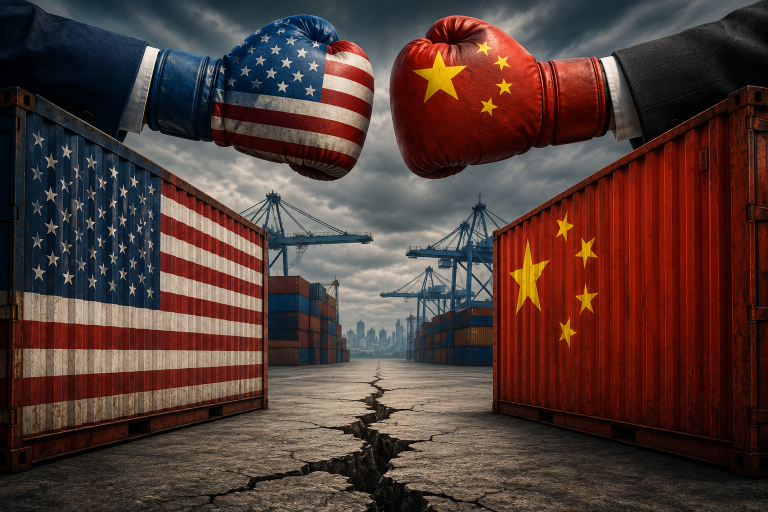
■ Retaliatory Tariffs and Trade Wars: Continuing tensions with the European Union (EU) and China have resulted in retaliatory tariffs, impacting US exports of agricultural products, electronics, and even consumer goods. According to the World Trade Organisation (WTO), these trade stand-offs contribute to global economic uncertainty, dampening investment.
■ Higher Consumer Costs: Tariffs on imported goods may raise prices for American consumers. Rising costs for raw materials and parts can trickle down to end consumers, thus negating potential job market benefits.
2. Relations with NATO and European Allies
○ Pros
■ Greater Pressure on Allies to Spend: Trump’s incessant call for European allies to meet the NATO guideline of spending 2% of GDP on defence has seen some success. Countries like Poland, Lithuania, and Romania have adjusted their budgets to meet the threshold, potentially strengthening the NATO alliance in a tangible sense.
■ Push for More Equal Burden-Sharing: Advocates argue that Trump’s stance encourages allied nations to assume greater responsibility for their own defence, arguably creating a fairer distribution of security expenses.
○ Cons
■ Eroding Diplomatic Trust: Critics contend Trump’s style of public criticism has sowed discord among traditionally close allies, undermining the diplomatic goodwill that underpins collective security. In some European capitals, negative public sentiment toward US leadership has grown since 2020, according to Pew Research Centresurveys.
■ Reduced Soft Power: The perception of American disengagement and unpredictability can lead allies to explore alternative partnerships, potentially reducing US influence in long-term geopolitical negotiations.
3. Middle East and Asia-Pacific Strategies
○ Pros
■ Continuation of the Abraham Accords: Trump’s emphasis on normalising relations between Israel and various Arab states—initiated in his first term—continues. Advocates claim this fosters stability and opens new economic corridors.
■ Assertive Stance on China: Trump’s firm posture regarding intellectual property rights and trade imbalances with China resonates with some American industrial leaders who desire a stricter approach to what they see as unfair competition.
○ Cons
■ Potential for Escalation with Iran: Trump’s repeated threats regarding Iran’s nuclear activities—combined with sanctions—risk reigniting hostilities, undermining diplomatic channels established through earlier nuclear agreements.
■ Uncertain Pacific Allies: Japan and South Korea, while reliant on US security assurances, remain anxious about unpredictable tariff policies and Washington’s focus on bilateral deals rather than robust regional alliances.
V. Impact on Africa
1. US–Africa Relations under Trump’s Second Term
○ Reduced Aid, Increased Investment Focus: Trump’s approach to Africa has seen a shift from large-scale humanitarian aid packages toward encouraging US private sector investment. While some African nations welcome American investments, countries with fragile economies fear a decrease in direct assistance.
○ Pros:
■ Opportunity for African Industrial Growth: Partnerships with American firms in sectors like renewable energy, telecommunications, and infrastructure could bolster local economies in nations such as Kenya, Nigeria, and Ghana.
■ Potential to Rebalance China’s Dominance: If the US invests more systematically in African infrastructure projects, some analysts believe it could provide an alternative to China’s Belt and Road Initiative, thus diversifying Africa’s external partnerships.
○ Cons:
■ Uncertain Policy Continuity: A consistent complaint from African leaders is Washington’s unpredictability. Some nations have historically found it easier to negotiate with China, which offers fewer strings attached and invests heavily in roads, railways, and technology.
■ Possible Diplomatic Friction: Nations that prefer non-alignment and multiple partnerships could find themselves in a diplomatic tug-of-war among the US, China, and Russia.
2. Africa’s Response and Shift towards China and Russia
○ China’s Expanding Footprint: Data from the China–Africa Research Initiative at Johns Hopkins University notes that Chinese loans and direct investments in African nations surpassed US investment for several consecutive years leading to 2025. For African governments, Beijing’s willingness to offer fast-track infrastructure financing is crucial for development.
○ Russia’s Growing Interest: Russia is increasingly brokering security and mining deals, especially in resource-rich nations like Sudan, the Central African Republic, and Mali, often coupled with military support.
○ Does Africa Care About Trump’s Policies?
■ Many African leaders weigh US opportunities against China’s established presence. In some countries, Washington’s offers of private-sector partnerships are overshadowed by Beijing’s swift financing.
■ Ties with Russia, especially in defence cooperation, have become more appealing to certain African regimes that value fewer conditionalities on governance and human rights. Consequently, while African countries may remain open to US ties, enthusiasm for Trump’s overtures is tempered by the robust and flexible nature of Chinese and Russian deals.
VI. International Reactions to Trump’s 2025 Policies
1. Do Key Players Even Care?
○ European Union’s Mixed Reactions: The EU expresses frustration over trade disputes and scepticism about Trump’s foreign policy unpredictability. Nevertheless, European leaders still engage in negotiations out of necessity, seeking a stable transatlantic partnership for economic and security reasons.
○ China’s Calculated Response: China watches the US move closely, continuously strengthening its geopolitical reach in Africa and Asia. While Beijing remains open to dialogue, it capitalises on any US retreat from international leadership by courting allies with economic incentives.
○ Russia’s Opportunity: Russia often backs anti-Western sentiments, forging strategic ties in regions where US engagement is weaker. Though the Kremlin is unlikely to out-compete American military or economic capacity globally, it systematically challenges the US in geopolitical hotspots.
2. Domestic American Reaction
○ Polarised Public Opinion: American citizens remain sharply divided along party lines. Supporters hail Trump’s policies as fulfilling promises to safeguard American interests. Opponents protest, citing issues of diplomacy, human rights, and economic uncertainty.
○ Media Discourse: Conservative outlets emphasise sovereignty, fiscal benefits, and the “America First” success stories, whereas liberal media critique potential isolationism, inequality, and moral implications of reduced humanitarian commitments.
VII. Overall Pros and Cons Evaluation
1. Pros
○ Short-Term Economic Gains: Certain industries experience immediate job preservation or growth under protective measures like tariffs or corporate tax incentives.
○ Message of Strength and Sovereignty: Many Americans appreciate Trump’s emphasis on sovereignty, border security, and less reliance on global institutions, suggesting a reassertion of US independence and control.
○ Potential Realignment of Global Partnerships: Allies such as Israel, Poland, and some Arab states may enjoy stronger bilateral ties, incentivising them to cooperate more closely with the US in security matters.
2. Cons
○ Diplomatic Isolation Risk: Prolonged unilateral approaches and unpredictability can alienate allies, reduce trust, and, in extreme scenarios, isolate the US from collaborative initiatives.
○ Heightened Geopolitical Tensions: Aggressive stances toward China, Iran, and others might intensify global conflicts, raising concerns of trade wars or proxy confrontations in regions like the Middle East and Africa.
○ Neglect of Long-Term Development Goals: Reduced humanitarian aid and inconsistent engagement in global crises—like climate change initiatives or global health—may undermine US moral leadership and hamper crucial collaborative efforts.
VIII. Conclusion: A Call for Empathy, Cooperation, and Adaptation
Donald Trump’s 2025 second-term policies paint a picture of a nation resolutely bent on self-interest, robust economic protection, and national sovereignty. For some Americans, this assertive stance represents a welcome defence of working-class industries and national identity. For others, it indicates a worrisome departure from global leadership norms, risking alienation of allies and fuelling competition from rising powers in Africa and beyond.
International responses range from wary acquiescence (as seen among NATO allies) to full-fledged alternative partnership pursuits (a path African nations are exploring via China and Russia). These developments reveal a world in flux, where major players—unconvinced by a unilateral “America First” approach—are increasingly pivoting toward alternative alignments. Indeed, African governments, ever pragmatic, weigh the pros and cons of deeper involvement with the US against the tangible offerings of Beijing’s and Moscow’s infrastructure programmes, energy deals, and military support.
Yet, amidst all the shifting alliances and robust rhetoric, the ultimate effects are felt by ordinary people across continents. From American farmers stressed by workforce shortages and fluctuating tariffs to African communities awaiting infrastructure improvements that could transform their livelihoods, real lives and futures are at stake. When policies cause entire communities’ fortunes to rise or fall, leaders must remain mindful of how their decisions reverberate globally.
Data from the Congressional Budget Office, the Pew Research Centre, and the Tax Foundation consistently highlight that policies carry significant ripple effects—whether through trade, migration, or foreign assistance. As the Trump administration charts its course in 2025, empathy and an eye toward collaboration may prove indispensable if the US seeks to maintain long-term influence and moral authority. Innovation, honest dialogue, and inclusive engagements could help shape a more secure future for Americans and for the many nations looking to the United States, still the world’s largest economy, for leadership or partnership.
Ultimately, a call to action emerges for policymakers, stakeholders, and citizens alike: keep people at the heart of policy decisions. Economic deals and tariffs are not merely figures on a ledger; they translate into the daily struggles and aspirations of families in Iowa, Berlin, Lagos, and beyond. By valuing transparency, compassion, and cooperation, the United States—and indeed the entire global community—can advance towards an era in which prosperity is not a zero-sum game but an attainable goal that uplifts all. The uncertainties of 2025 need not define us; with sincere effort, we can harness the lessons learned to forge resilience, equality, and peace in a rapidly evolving international landscape.
Aric Jabari is the Editorial Director of the Sixteenth Council.