New China HMPV Outbreak: A Rising Concern for Global Health

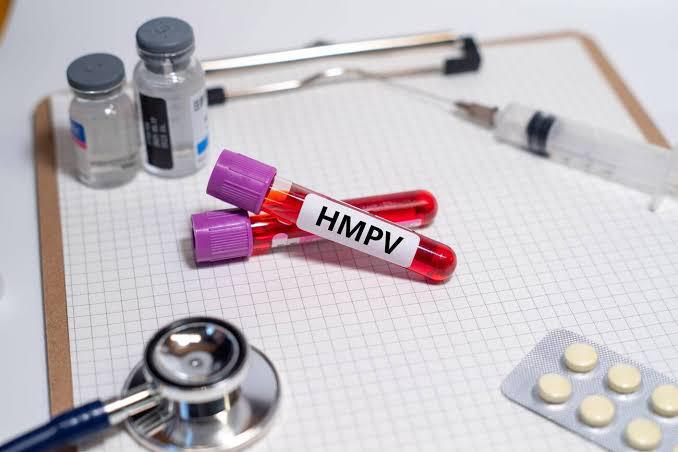
A recent outbreak of human metapneumovirus (HMPV) in China has become a focal point for the global health community, raising urgent questions about the virus’s resurgence and its broader implications. HMPV, although not a newly identified pathogen, has historically been associated with seasonal respiratory illnesses. However, the scale and severity of this outbreak suggest shifts in its transmission dynamics, prompting concerns about gaps in public immunity, environmental triggers, and the capacity of healthcare systems to manage its impact. This pronounced resurgence underscores the need for a comprehensive analysis of the virus’s behaviour, its modes of transmission, and its potential to strain vulnerable populations and healthcare resources worldwide.
What is HMPV?
Human metapneumovirus, first identified in the Netherlands in 2001, is a respiratory pathogen belonging to the Paramyxoviridae family. Closely related to respiratory syncytial virus (RSV), it primarily causes upper and lower respiratory tract infections. HMPV affects people of all ages but is particularly severe in infants, the elderly, and immunocompromised individuals.
Symptoms of HMPV infection range from mild, cold-like conditions to severe respiratory distress, including bronchiolitis and pneumonia. The virus spreads through respiratory droplets, direct contact, or contaminated surfaces, making it highly transmissible in crowded settings.
The Current Outbreak in China
The latest outbreak in China, first reported in late 2024, has been characterised by a sharp increase in respiratory illnesses linked to HMPV across several provinces, including Guangdong, Hubei, and Zhejiang. Chinese health authorities have reported a significant rise in hospital admissions for respiratory conditions, with a notable proportion of cases testing positive for HMPV.
● Infection rates: Over 15,000 confirmed HMPV cases have been documented since November 2024, representing a threefold increase compared to the same period in previous years.
● Demographics: Approximately 60 per cent of hospitalised cases involve children under five, with another 25 per cent affecting adults over 65.
● Mortality: While the fatality rate remains low (around 0.8 per cent), vulnerable populations, including those with pre-existing conditions, are at higher risk.
Factors Behind the Outbreak
Experts suggest several factors contributing to the outbreak’s severity:
1. Post-pandemic immunity gaps: Reduced exposure to respiratory viruses during COVID-19 lockdowns may have left populations more susceptible to infections such as HMPV.
2. Environmental conditions: Seasonal changes and high levels of air pollution in urban areas may exacerbate respiratory illnesses.
3. Healthcare pressures: Overburdened healthcare systems in affected regions have struggled to cope with the surge in cases, delaying treatment and increasing transmission risks.
Global Health Implications
The HMPV outbreak in China has sparked concern among international health agencies, including the World Health Organization (WHO). Although the virus is not as deadly as COVID-19, its high transmissibility and impact on vulnerable populations could strain healthcare systems if it spreads widely.
● Seasonal Flu: HMPV shares similarities with influenza in its transmission and seasonal patterns, but the lack of a vaccine makes it harder to prevent.
● COVID-19: Unlike SARS-CoV-2, HMPV has a well-documented history and is less likely to cause global pandemics. However, its resurgence underscores the need for vigilance in monitoring emerging pathogens.
China’s Public Health Response
Chinese authorities have implemented several measures to curb the outbreak:
● Enhanced surveillance: Hospitals and clinics are required to report HMPV cases to track the virus’s spread more effectively.
● Public awareness campaigns: Educational initiatives aim to inform citizens about preventive measures, such as mask-wearing, hand hygiene, and avoiding crowded spaces.
● Resource allocation: To manage the patient influx, additional medical staff and supplies have been deployed to heavily affected areas.
Despite these efforts, some critics argue that initial responses were slow, allowing the virus to gain a foothold. Transparency concerns have also been raised, with international observers urging China to share more detailed data with the global health community.
Preventive Measures and Treatment
Currently, there is no specific antiviral treatment or vaccine for HMPV. Management focuses on supportive care, including oxygen therapy, hydration, and symptom relief. Preventive strategies are crucial to limiting the virus’s impact:
● Hygiene practices: Frequent handwashing and surface disinfection can reduce the risk of infection.
● Social distancing: Limiting close contact in crowded environments is particularly important during peak transmission seasons.
● Research and innovation: Efforts to develop vaccines and antiviral therapies are underway, with several candidates in preclinical stages.
International Collaboration and Future Outlook
The HMPV outbreak serves as a reminder of the interconnectedness of global health. International cooperation will be essential in monitoring the virus’s spread and mitigating its impact. Key priorities include:
1. Data sharing: Transparent reporting from affected regions is critical for understanding the virus’s behaviour and informing public health strategies.
2. Research investment: Funding for vaccine development and antiviral treatments must be prioritised to prepare for future outbreaks.
3. Strengthening healthcare systems: Countries should bolster their healthcare infrastructure to handle surges in respiratory illnesses.
Quotes from Experts
● Dr Maria Van Kerkhove, WHO infectious disease epidemiologist: “The HMPV outbreak in China highlights the need for robust surveillance and rapid response mechanisms to contain emerging threats.”
● Professor Zhang Wei, a respiratory specialist in Beijing: “While the virus is not new, its recent surge underscores the importance of addressing immunity gaps and environmental factors that exacerbate respiratory illnesses.”
Conclusion and 2025 Update
The new HMPV outbreak in China is a wake-up call for the global health community. While the virus is not as catastrophic as past pandemics, its resurgence emphasises the importance of vigilance, preparedness, and international collaboration. As researchers work towards developing preventive measures, individuals and governments alike must prioritise health education and early intervention to mitigate the virus’s impact.
Update as of January 2025: Recent data indicate that HMPV cases have begun to decline in several provinces, thanks to intensified public health measures and improved hospital responses. However, smaller outbreaks have been reported in neighbouring countries, such as Vietnam and Thailand, highlighting the need for cross-border collaboration. International health agencies are also accelerating efforts to fund vaccine development, with preliminary results from vaccine trials expected by mid-2025. The lessons learned from this outbreak will be instrumental in shaping global responses to future respiratory threats.
This evolving situation underscores a critical lesson: in an era of global connectivity, no health threat remains local for long. The response to HMPV must reflect this reality, uniting nations to pursue a healthier, more resilient future.
Aric Jabari is a Fellow, and the Editorial Director at the Sixteenth Council.