
Chagos Islands: Redefining the Security and Sovereignty Dynamics of Metropole and Periphery
The UK-Mauritius deal on the Chagos Islands redefines post-colonial sovereignty and strategic military dynamics. While Diego Garcia remains vital to US operations in the Indian Ocean, Mauritius' closer ties with China and India introduce new complexities. The arrangement also marks a shift in how former colonial powers respond to international pressure. As global alliances evolve, this development may reshape Europe’s security autonomy and its relationships with ex-colonies.

Chagos Islands Deal
The UK’s recent deal with Mauritius ceding sovereignty of the Chagos Islands poses an interesting question for sovereignty and security going forward; especially as Europe shifts its security focus away from the US, looking for alternative alliances in countries with older ties.
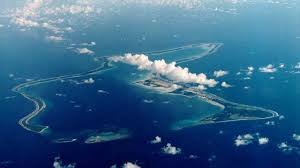
The Chagos Islands have been occupied by Britain since 1810, with a UK-US airbase present on the island of Diego Garcia since the 1960s, when Britain purchased the islands from Mauritius cohesively as a condition for independence. Since then, Diego Garcia has been foundational to US airpower in the Indian Ocean and has provided a home for their long-range bombers, making it of high strategic importance for US and European military activity in the region particularly in relation to Iran and China, as it is the US’s only base that could reach both adversaries.
The new deal would pass sovereignty of the islands back to Mauritius, with the UK leasing back Diego Garcia for around £101 million a year, effectively carrying a large financial burden for US security interests in the region. The hard power security implications are, at this time, unclear. Some believe it strongly benefits China, as Mauritius moves closer to the nation and will soon join China’s Belt and Road Initiative. Their control of the island would potentially allow China greater ability to monitor the base through a fleet of fishing ships or, in a conflict situation with Taiwan, revoke UK rights to the base, removing a key US strategic asset in the region. Others see the deal as a strategic decision to secure Britain’s future military interests on the island. A formal arrangement between Mauritius and Britain ensures the base’s continued use and prevents adversary states from building bases around the island, as it ensures a 24-mile buffer zone around Diego Garcia. Indeed, there is also the impact of India, who have a close relationship with Mauritius, and are wielding significant power on the global stage, with a vast network of allies. Whilst it is true that the impact of these events is unclear thus far, this outcome will likely impact the US and UK strategic posture in the Indian Ocean.
New Threats and Opportunities
Whilst the hard power military and strategic implications of this decision are vast and threaten British and US interests in the region, the deal also opens up wider debates about post-colonial sovereignty and security relationships between Western colonial states and their ex-colonies. This deal could trigger other claims on sovereign territory on British territory and others as states use diplomatic pressure and lawfare to shape the global balance of power. With the UK bowing to international pressure on the matter, despite previously using force to protect its sovereign rights in overseas territories, a shift is occurring where colonial states feel more beholden to the international system. This could affect other colonial relationships, such as the US and its territories in the Pacific, including Guam.
Whilst decolonisation is an uncontestable good force in the world, European security now faces a unique threat, where its ability to project power globally is often linked to its former colonies. This gives power to former colonies in shaping future security dynamics which is a positive shift and offers strong policy implications for such states, as they can use older claims to influence their relationships with Europe. Mauritius may not be using this to strengthen relations with Britain, but it does send a message to Europe: treat ex-colonies with respect, or they will find allies elsewhere.
Territorial sovereignty must be respected, and Europe is more open to international pressure than ever before. Better cooperation between European colonial states and their ex-colonies will facilitate strong security relationships going forward and, paradoxically, help secure European security autonomy. Decolonisation is more than just a symbolic act in the contemporary world, but still a very political and important act. As the UK moves forward to close a chapter in its colonial past, Britain along with its European counterparts, and the ex-colonies themselves have a chance to shape the strategic order going forward.
Lauren Mason | Europe – Regional Policy Fellow

Critical Minerals and the Green Transition: Europe’s New Dependency Risk