
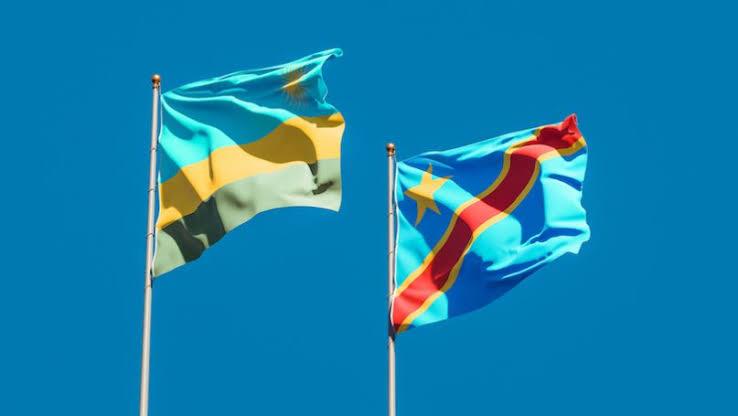
Potential Pathways to Relationship Restoration Between the DRC and Rwanda: A Comprehensive Analysis of Conflict, External Influences, and Cooperation
The Democratic Republic of the Congo (DRC) and Rwanda share a long, tumultuous history defined by cross-border tensions, deep-seated mistrust, and overlapping security interests. Past attempts at peace, often orchestrated by external powers, have overlooked local realities and contributed to volatile compromises.

Abstract
The Democratic Republic of the Congo (DRC) and Rwanda share a long, tumultuous history defined by cross-border tensions, deep-seated mistrust, and overlapping security interests. External influences—ranging from regional powers to international actors—have often shaped the trajectory of these tensions, frequently hindering true reconciliation. This thesis examines the historical roots of conflict, explores the failure of externally driven peace processes, and proposes potential pathways for sustainable and independent relationship restoration between the DRC and Rwanda. Drawing on verified evidence from United Nations (UN) reports, International Crisis Group analyses and Human Rights Watch findings, it advocates a fresh approach rooted in local ownership, mutual respect for sovereignty, and transparent cooperation, emphasising the potential benefits for both nations and the African continent at large.
1. Introduction
The DRC and Rwanda, situated within the Great Lakes region, have been embroiled in overlapping conflicts since the mid-1990s. Despite the shared cultural ties—evident in border communities around Goma and Rubavu—the legacy of the 1994 Rwandan Genocide, the influx of Rwandan refugees into eastern DRC, and disputes over mineral wealth have fuelled persistent hostilities. The repeated interventions of external actors have further complicated peacebuilding, at times exacerbating tensions rather than resolving them. Recent diplomatic attempts, including the Luanda Roadmap (2022) and the Nairobi Process (2022–2023), have shown limited progress. This thesis aims to illuminate the underlying causes of the conflict, evaluate the shortcomings of external involvement, and explore novel strategies for the two countries to restore and sustain peace, unencumbered by external pressure.
2. Historical Context of the DRC–Rwanda Conflict
2.1. The Aftermath of the Rwandan Genocide (1994)
● Refugee Crisis: In 1994, following the Genocide against the Tutsi, over two million Rwandans fled into neighbouring countries, with large numbers crossing into what was then Zaire (present-day DRC). Among these refugees were elements of the former Rwandan army (ex-FAR) and Interahamwe militias, who had perpetrated genocide.
● Militancy in Eastern Congo: These forces reorganised as the Democratic Forces for the Liberation of Rwanda (FDLR), continuing to threaten Rwandan security from Congolese territory. Their presence remains a central concern for Rwanda.
2.2. The Two Congo Wars (1996–1997, 1998–2003)
● First Congo War (1996–1997): Rwanda and Uganda supported Laurent-Désiré Kabila’s Alliance of Democratic Forces for the Liberation of Congo (AFDL) to overthrow Mobutu Sese Seko. This intervention marked the first open involvement of Rwanda in Congolese affairs.
● Second Congo War (1998–2003): Relations soured when President Laurent-Désiré Kabila distanced himself from his former Rwandan allies. This conflict drew in numerous African nations, leading to Africa’s deadliest war.
2.3. Renewed Tensions and Rebel Movements
● M23 Rebellion (2012–2013; 2021–Present): Formed from former rebels integrated into the Congolese army, the M23 group has periodically received allegations of support from Rwanda (UN Group of Experts, 2022). Kigali denies these accusations, yet tensions persist around perceived Rwandan influence in North Kivu.
● Security Dilemmas: Congo accuses Rwanda of meddling in its internal affairs, especially in the resource-rich provinces of North and South Kivu. Conversely, Rwanda contends that the FDLR threat compels it to maintain a strategic posture along the border.
3. The Role of External Influences and Their Shortcomings
Despite countless peace initiatives, foreign mediation has frequently failed to address core local grievances.
3.1. International Interventions and Their Limitations
● MONUSCO (United Nations Organization Stabilization Mission in the DRC): Deployed since 1999, MONUSCO has faced criticism for limited effectiveness. According to a 2021 Human Rights Watch assessment, continued insecurity in eastern Congo has exposed the mission’s inability to fully protect civilians or dismantle armed groups.
● Western Interests: Several Western countries maintain economic stakes in the DRC’s vast mineral wealth—cobalt, coltan, and gold. Critics allege that competition for these resources sometimes overshadows genuine peace-building efforts (International Crisis Group, 2021).
● China’s Growing Influence: Chinese investments in Congolese mining have surged. While Beijing often pursues infrastructure deals (e.g., Sino-Congolese mining contracts in Katanga), observers argue this economic foothold has not translated into resolving local conflicts (UNCTAD Data, 2022).
3.2. Regional Mediation Efforts
● East African Community (EAC) Involvement: The EAC has attempted to mediate, but its member states also have varied interests in the DRC’s economic potential. Political alliances fluctuate, and genuine solutions have remained elusive.
● Unintended Consequences: External pressure often prioritises rapid, superficial ceasefires over addressing root causes, such as the presence of foreign militias, illegal exploitation of minerals, and ethnic tensions along the border.
4. Rwanda’s Perspective: Security and Economic Concerns
● The FDLR Threat: Rwanda cites the FDLR, a militant group linked to the 1994 genocide perpetrators, as a non-negotiable security challenge. Kigali’s stance is that as long as armed genocidaires remain active in eastern DRC, the Rwandan state must act defensively.
● Border Control and Intelligence: Rwandan officials argue that the Congolese army’s limited capacity to contain rebels poses a direct risk. They justify strategic cross-border operations or support for proxies in the name of national security.
● Mineral Access: Though Kigali denies involvement in illegal mineral trade, multiple UN Group of Experts reports (2010, 2022) suggest that Rwanda has profited from Congolese minerals—particularly coltan and tantalum—through unofficial channels.
● Regional Trade Ambitions: Rwanda seeks stable access routes to Congolese markets. Improved trade corridors from Rubavu/Gisenyi into Goma and beyond would significantly boost the Rwandan economy, stimulating cross-border commerce and industrial growth.
5. The DRC’s Perspective: Sovereignty and Resource Protection
● Allegations of Rwandan Backing for M23: Kinshasa maintains that Rwanda provides tactical and logistical support to M23 and other armed groups active in North Kivu. Despite Kigali’s denials, a 2022 UN investigation found “credible evidence” of Rwandan links to M23.
● National Sovereignty: The DRC insists that Rwanda’s interference infringes upon its territorial integrity. President Félix Tshisekedi has repeatedly called on Rwanda to respect Congolese sovereignty and cease any perceived backing of rebel groups.
5.2. Safeguarding Mineral Wealth
● Illicit Exploitation: The Congolese government accuses foreign actors, including Rwanda, of fuelling a “resource war” in eastern provinces. Armed groups operating in mining regions often smuggle minerals across borders.
● Economic Autonomy: Controlling the extraction and sale of cobalt, gold, and coltan is central to the DRC’s economic self-determination. Kinshasa believes that halting illicit cross-border trade is pivotal for revenue and development.
6. Past Diplomatic Failures and Lessons Learned
6.1. Failed Agreements and Their Causes
● 1999 Lusaka Ceasefire Agreement and 2002 Sun City Talks:While these led to official ceasefires, they did not dismantle the networks of armed groups or foreign meddling in resource exploitation.
● 2009 Goma Peace Process: A short-lived attempt to integrate rebels into the Congolese army. Accusations of renewed Rwandan support to dissenting factions in 2012 undermined confidence in lasting peace.
1. External Dependence: Over-reliance on international negotiators who lacked in-depth local understanding.
2. Lack of Accountability: Few mechanisms held external supporters of armed groups accountable.
3. Insufficient Inclusivity: Negotiations often sidelined local communities, women’s groups, and civil society organisations whose grievances remained unaddressed.
● Independent Bilateral Commission: A proposal for a joint Congolese–Rwandan body, free from external oversight, to tackle border security, rebel disarmament, and transparent mineral trade.
● Community-led Initiatives: Empowering grassroots structures—like cross-border traders’ associations, women’s networks, and youth groups—to foster reconciliation from the bottom up.
7. Mutual Benefits: Peace, Security, and Economic Growth
Should the DRC and Rwanda find common ground, the dividends could be substantial:
1. Enhanced Security Cooperation: Joint patrols along porous borders to neutralise armed groups, boosting safety for civilians in North and South Kivu.
2. Shared Infrastructure Projects: Building roads, energy grids, and railway links to streamline trade could transform both economies.
3. Cross-Border Trade and Industry: Formalising mineral exports—along with agricultural and industrial products—would bolster government revenues, reduce smuggling, and attract foreign investment.
8. Continental Impact: A United DRC and Rwanda as a Catalyst for African Prosperity
A lasting détente between the DRC and Rwanda could reverberate throughout Africa:
● Stability in the Great Lakes Region: Peace in eastern DRC would reduce refugee flows, improving security for neighbours like Uganda, Burundi, and Tanzania.
● Continental Integration: A successful partnership could further the African Continental Free Trade Area (AfCFTA) goals, boosting inter-African commerce and collective bargaining power on the global stage.
● Model for Conflict Resolution: Demonstrating a home-grown, African-led solution may inspire other regions grappling with cross-border disputes.
9. The Reluctance of External Actors and Their Potential Losses
Foreign powers and multinational corporations often stand to lose if DRC and Rwanda forge a strong bilateral front:
1. Access to Cheap Resources: Some external actors exploit Congo’s fractured security environment to obtain minerals at lower costs. A stable DRC would enforce stricter regulations, reducing profit margins.
2. Influence in Regional Politics: Peace between Kigali and Kinshasa would diminish the bargaining power of external mediators who capitalise on regional divisions for strategic footholds.
3. Arms Trade Profits: Persistent conflict fuels arms sales, benefiting weapon-exporting nations and underground networks profiting from the cycle of violence.
10. Forging a United Force for Peace and Development
Numerous strategies could help the DRC and Rwanda achieve genuine collaboration:
● Joint Disarmament Programmes: Targeting FDLR, M23, and other rebel groups with integrated efforts that emphasise demobilisation, rehabilitation, and reintegration.
● Transparent Mineral Certification: Implementing and strictly enforcing traceability standards (e.g., the ICGLR Regional Certification Mechanism) to curb illegal exports.
● People-to-People Diplomacy: Facilitating cultural exchanges, youth forums, and trade fairs to foster interpersonal trust across borders.
Conclusion: A Heartfelt Call to End the Cycle of Conflict
The people of the DRC and Rwanda have long suffered from an unrelenting cycle of violence, displacement, and uncertainty. Families living in Goma, Rubavu, Bukavu, and the many border communities yearn for a future where children can attend school without the rumble of gunfire, where farmers and traders can cross borders freely, and where governments invest in public welfare rather than paramilitary operations.
Past attempts at peace, often orchestrated by external powers, have overlooked local realities and contributed to volatile compromises. Now is the time for both nations to take ownership of their destiny—acknowledging past grievances, dismantling rebel networks, and establishing robust frameworks for transparent trade. If the DRC and Rwanda stand united, they can transform not only their shared borderlands but also set a precedent for continental unity. By choosing co-operation over conflict, they have the power to unlock prosperity, reinforce African self-determination, and restore dignity to countless civilians who have endured immense hardship.
A new era beckons—one characterised by courage, honesty, and an unwavering commitment to the well-being of the Congolese and Rwandan people. Let this be the moment when history bends towards reconciliation and hope triumphs over fear.
Aric Jabari is the Editorial Director of the Sixteenth Council.

Critical Minerals and the Green Transition: Europe’s New Dependency Risk