Council Author

Council Author

AI in 2025: The Good, the Bad, and the Ugly

By 2025, artificial intelligence has shifted from disruptive innovation to strategic infrastructure. It is boosting productivity, accelerating scientific discovery, and expanding access to knowledge, while simultaneously intensifying labour disruption, market concentration, and governance gaps. More troublingly, AI is eroding trust in information, enabling surveillance, and compressing decision-making in ways that strain democratic and security systems. AI is no longer a neutral tool; it is a force multiplier whose impact depends less on capability and more on the strength of institutions that govern it.
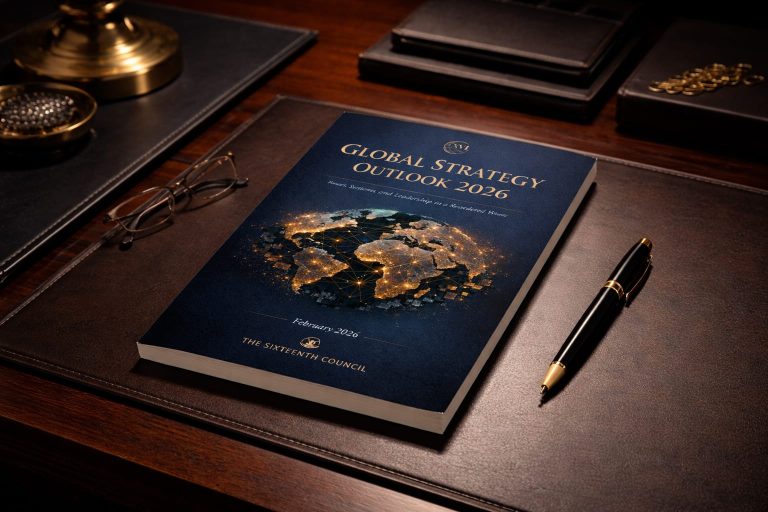
The Sixteenth Council to Release Global Strategy Outlook 2026 in February 2026

Global Strategy Outlook 2026 examines a world moving beyond emergency management into a decisive phase of structural redesign. As geopolitical fragmentation deepens, economies rewire, technology becomes a core arena of power, and institutional trust erodes, reactive leadership is no longer sufficient. The report offers a strategic framework for governments, executives, and institutions seeking resilience, legitimacy, and long-term performance in a volatile decade. The future will reward foresight, system-building, and disciplined strategic choice across global, regional, and sectoral decision-making environments worldwide.

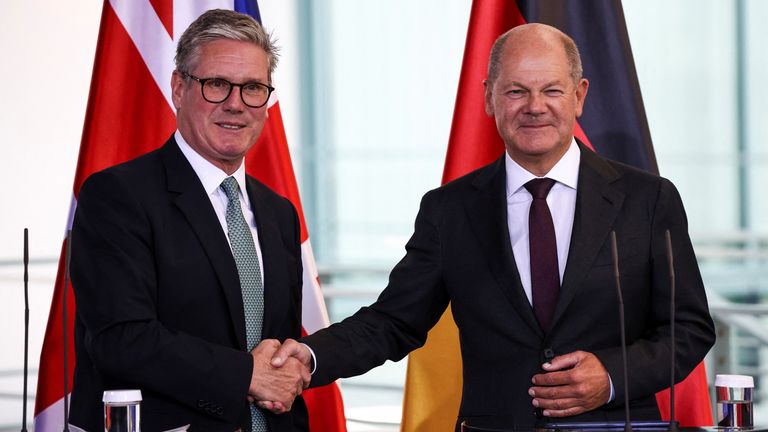
Britain and Germany Cement a New European Defence Order

The UK-Germany defence pact, first signed in 2024, is evolving into a landmark mutual defence treaty with global implications. Anchored in joint missile development, industrial integration, and space cooperation, it signals a new model of European defence leadership. As Britain and Germany deepen their partnership, alongside growing trilateral coordination with France, this agreement reshapes Europe’s strategic landscape—advancing autonomy while reinforcing NATO. The upcoming July 2025 treaty marks a pivotal shift from reactive defence to purposeful, future-driven military architecture.

Privatizing Sovereignty? The Strategic Risks of Governance Vacuums in Fragile States

As state power declines in fragile regions, governance is increasingly shifting to non-state actors—militant groups, corporations, and private investors. From Gaza to tech-run cities, sovereignty is no longer exclusive to nations. This brief examines the rise of private governance, its geopolitical drivers, and the risks it poses to legitimacy, stability, and diplomacy. The future of power may lie not in parliaments, but in boardrooms, algorithms, and fortified zones.

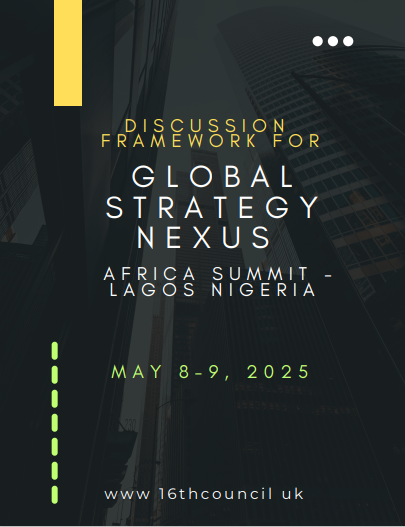
Global Strategy Nexus

Africa’s economic future hinges on the ability to unlock the full potential of the private sector. With over 1.4 billion people, a fast-growing consumer market, and vast natural resources, the continent possesses all the ingredients for sustainable economic growth. However,…

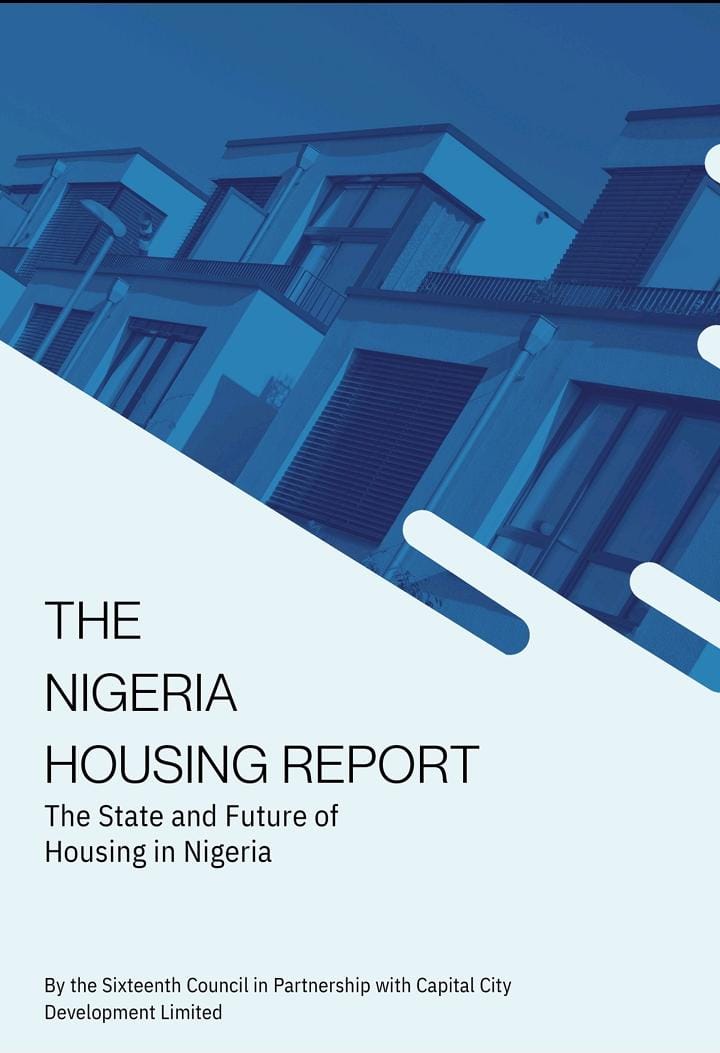
The Nigeria Housing Dialogue

The Nigeria Housing Dialogue is a unique, collaborative platform designed to develop a comprehensive and action-oriented framework aimed at resolving Nigeria Housing challenges. This roundtable brings together key stakeholders, including policymakers, investors, real estate developers, urban planners, and financial institutions,…

Corporate Governance Report

In 2025, corporate governance is expected to evolve in response to emerging global challenges, technological advancements, and shifting stakeholder expectations. Traditionally centered on accountability, transparency, and fairness, corporate governance is now expanding to address complex issues like environmental sustainability, technological…

Corruption Report 2024

The Corruption Report 2024 presents a comprehensive analysis of the state of global corruption, exploring the causes, consequences, and responses to corruption across various regions and sectors. The report offers a deep dive into the systemic factors that enable corruption,…